

Have you ever felt your gums start itching at the most unexpected moments? Maybe during an important presentation, an uncontrollable tingling sensation suddenly distracts you and makes you uneasy. You’re not alone — millions of people experience this discomfort without warning.
Occasional itching like this is usually nothing to worry about. However, if it continues for several days or becomes intense enough to interfere with your daily routine, it may point to an underlying issue. Allergic reactions to certain foods or early signs of gum disease are among the most common triggers.
To truly eliminate this irritation, it’s important to understand why do my gums itch? Identifying the root cause is the first step toward effective relief.
In this article, we’ll break down the possible reasons behind itchy gums and share practical ways to soothe and prevent them, helping you better understand what’s happening inside your mouth.
Causes of itchy gums
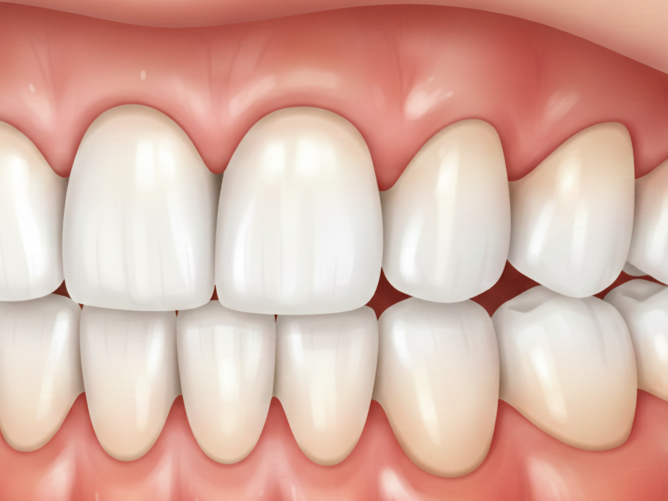
Itchy gums can stem from several factors. Here are the most common:
1. Allergies
Allergic reactions are one of the most common and harmless causes of itchy gums. If you experience itching in your mouth after eating raw fruits, nuts, pollen exposure, or new food items, an allergy may be to blame.
Sometimes, the itching goes away by simply rinsing your mouth with water or mouthwash. But in individuals with stronger reactions, symptoms can escalate to swelling, intense itching, or burning sensations.
If your symptoms worsen, consult a dentist or a medical professional immediately to rule out severe allergic responses.
2. Gum Diseases
If you are wondering why do my gums itch, gum disease is one of the first possibilities to consider.
Conditions like gingivitis or early-stage periodontal disease cause inflammation of the gums. This inflammation leads to redness, swelling, bleeding, and sometimes itching.
Gingivitis is reversible when treated early. However, if ignored, it can progress into more serious infections. If you notice symptoms like persistent itching, bleeding while brushing, or bad breath, it’s important to consult a dentist.
3. Poor Oral Hygiene
Skipping regular brushing and flossing is one of the major causes of itchy gums. Poor oral hygiene allows plaque and food particles to accumulate, creating an environment for harmful bacteria to multiply.
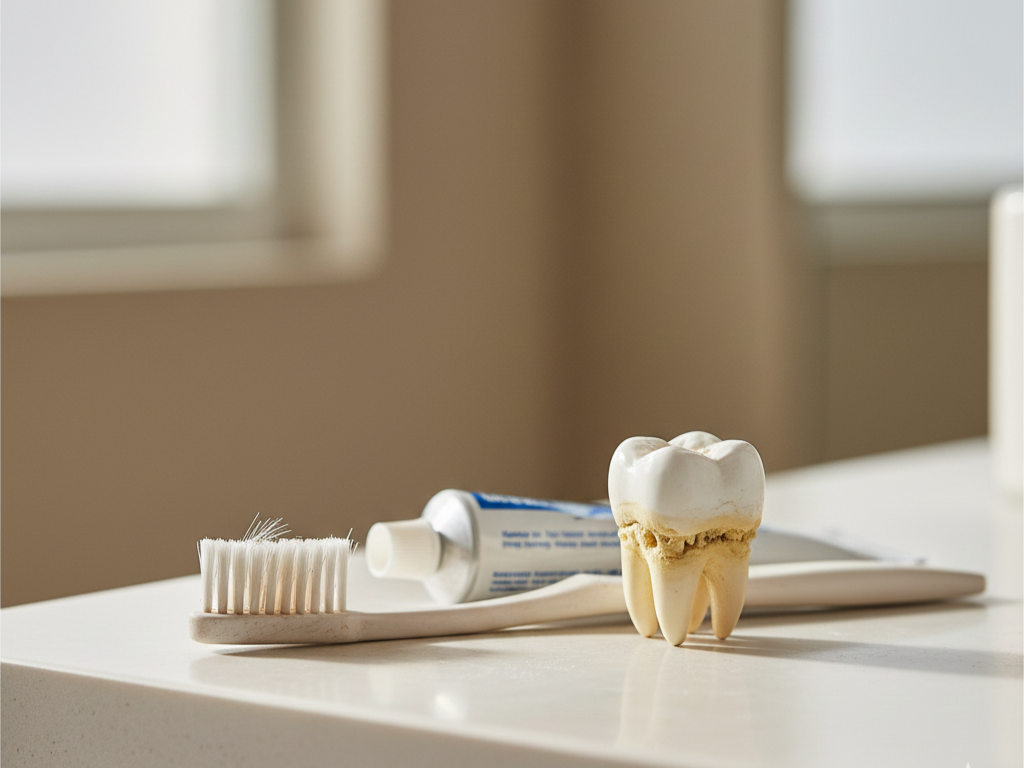
Over time, this leads to:
- Gum inflammation
- Bad breath
- Cavities
- Persistent itching in the gums
Even if you brush regularly but do not floss, debris stuck between teeth can irritate the gums.
Following a consistent oral hygiene routine is essential to prevent these issues.
4. Mouthwash Irritation
Adding mouthwash to your dental care routine can help maintain oral health, but not all mouthwashes suit everyone.
Mouthwashes with high alcohol content can dry out the mouth and irritate the gums, leading to itching or burning sensations.
If you experience itchy gums after brushing or after using mouthwash, switch to an alcohol-free or herbal mouthwash. Many natural formulations available in India are gentle and soothing.
- Continous using of mouthwash may lead to teeth staining
5. Tobacco Use
Cigarettes, tobacco chewing, and vaping severely impact oral health. Tobacco irritates the gum tissues, reduces saliva flow, and weakens the immune system’s ability to fight infections.
Continuous exposure causes:
- Gum irritation
- Chronic inflammation
- Itching
- Increased risk of gum diseases
Reducing or completely stopping tobacco use can significantly improve gum health.
6. Poorly Fitting Dental Appliances
If you wear dentures, braces, retainers, or aligners, ill-fitting appliances can rub against the gums and cause irritation.
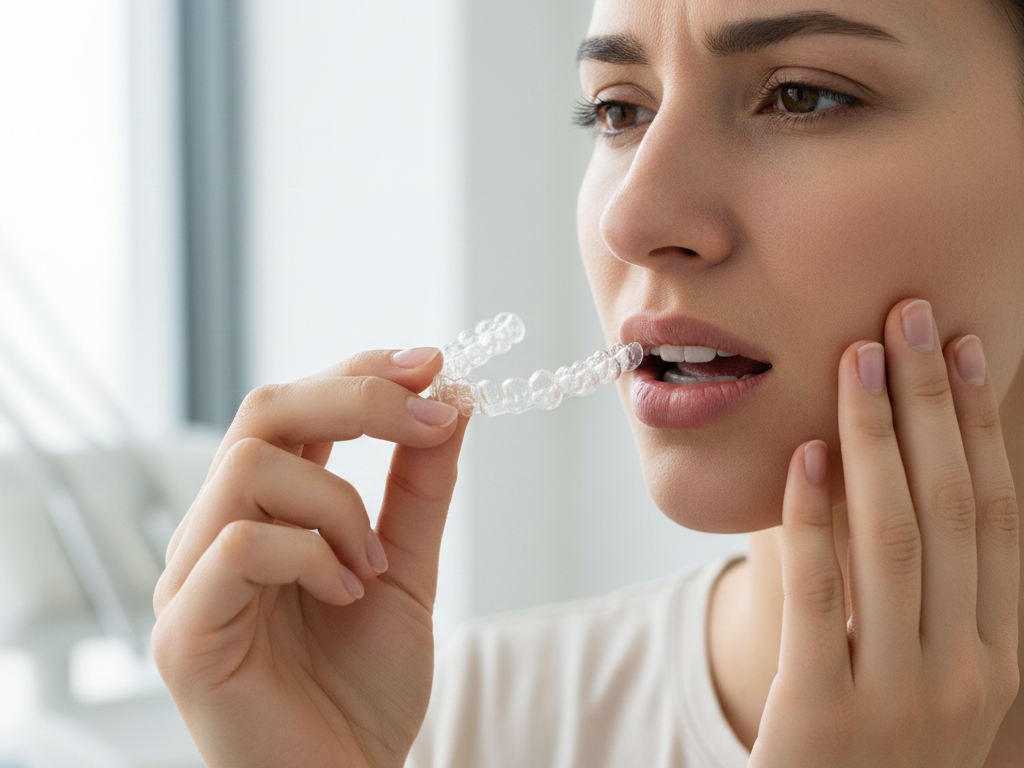
You may notice itching, discomfort, or even small ulcers.
If your gums itch after getting braces or dentures, schedule a visit to your dentist. They can adjust the appliance to fit comfortably.
7. Dry Mouth (Xerostomia)
Saliva plays a crucial role in maintaining oral moisture and reducing bacterial growth. When your mouth becomes too dry, the risk of gum irritation and itching increases.
Dry mouth can occur due to:
- Certain medications
- Dehydration
- Mouth breathing
- Aging
- Medical conditions
Managing dry mouth helps prevent itchy gums and other oral issues.
8. Hormonal Changes
Hormonal fluctuations—especially during puberty, pregnancy, menstruation, or menopause—can make the gums more sensitive and prone to itching.
Pregnant women often experience swollen, tender, or itchy gums due to increased blood flow and hormonal changes.
9. Stress
Stress affects the body in many ways, and oral health is no exception. High stress levels may cause:
- Teeth grinding (bruxism)
- Jaw clenching
- Reduced immunity
- Increased gum sensitivity
This can lead to itchy, irritated gums even when there is no visible inflammation.
10. Medicine
Many medications can also lead to itchy gums such as
Diabetic pt under metformin ,Hyper thyroid medication etc..
Why Do Gums Itch at Night?

Many people experience gum itching more intensely at night. There are a few reasons for this:
- Reduced saliva flow while sleeping
- Mouth breathing
- Dry room environment
- Increased awareness of sensations when the body is at rest
- Night-time teeth grinding
If you frequently wonder why do gums itch at night, it may be a sign of dry mouth, allergies, or underlying dental issues that need attention.
How to Relieve Itchy Gums

If your gums are itching, the first step is to identify the cause. A dentist can assess your symptoms and suggest the right treatment.
Meanwhile, you can manage or reduce the itching with the tips below:
✔ Follow a proper oral hygiene routine
Brush twice daily and use fluoride toothpaste.
✔ Use dental floss daily
Flossing removes food particles trapped between teeth.
✔ Switch to alcohol-free mouthwash
This prevents dryness and irritation.
✔ Reduce or quit tobacco
This is essential for long-term gum health.
✔ Avoid spicy, acidic, or very hot foods
They can trigger inflammation.
✔ Stay hydrated
It prevents dry mouth and bacterial growth.
✔ Try warm salt-water gargles
Salt water reduces inflammation and soothes irritation.
✔ Use a soft-bristled toothbrush
Hard bristles can worsen itching and inflammation.
✔ Visit your dentist regularly
Regular cleanings prevent plaque buildup and gum infection.
When Should You See a Dentist?

You should consult a dentist if:
- Itching persists for more than 2–3 days
- Your gums bleed frequently
- You notice swelling or pain
- You experience itchy gums after brushing regularly
- There are signs of infection or pus
- You have bad breath that doesn’t go away
Early diagnosis helps prevent complications.
Final Thoughts
Itchy gums can be annoying, distracting, and uncomfortable—but they are usually treatable once you know the cause. Whether the reason is allergies, poor oral hygiene, gum disease, or hormonal changes, addressing the root cause can bring complete relief.
If you frequently wonder why do my gums itch or why the itching worsens at night, it’s best to speak to a dental professional. With timely care, proper oral hygiene, and a few lifestyle changes, you can prevent gum irritation and maintain a healthy, comfortable smile.
