

Teeth hurt when drinking room-temperature water — this unusual complaint often surprises people who expect sensitivity only with ice-cold or piping-hot drinks. Yet many experience sharp, zapping, or aching pain from ordinary lukewarm or ambient-temperature water. This symptom usually points to dentin hypersensitivity or exposed tooth structures, where even mild temperature changes or fluid contact irritate the nerves.
If plain water at room temperature triggers discomfort, you’re not alone. This guide explains why it happens, associated symptoms, home relief strategies, professional treatments, and prevention tips.
Why Do Teeth Hurt When Drinking Room-Temperature Water?
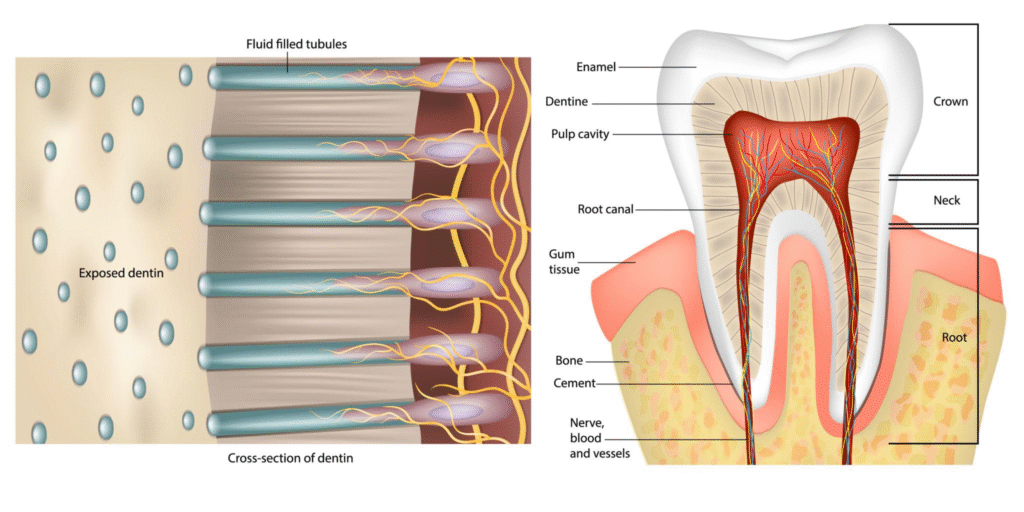
Normally, tooth enamel and healthy gums protect the sensitive inner layers. When these barriers break down, the dentin — the layer beneath enamel — becomes exposed. Dentin contains thousands of tiny fluid-filled tubules that connect directly to the tooth’s nerve (pulp). Any fluid movement or subtle temperature shift can cause the fluid in these tubules to move, stimulating the nerve and producing pain.
Room-temperature water (around 20–25°C or 68–77°F) isn’t extreme, but it can still create enough of a thermal differential or osmotic change to trigger pain in highly sensitive teeth. In some cases, the pain feels like a dull throb or sharp jolt even without noticeable temperature contrast, especially if the mouth’s internal temperature differs slightly or if suction/evaporation plays a role.
This sensitivity to non-extreme stimuli is a form of dental allodynia — pain from something that shouldn’t normally hurt.
Common Causes of Pain from Room-Temperature Water
Several dental issues can make teeth react to everyday drinking water:
1. Enamel Erosion or Wear
Acidic foods/drinks, aggressive brushing, teeth grinding (bruxism), or aging gradually thin the protective enamel. Once dentin is exposed, even mild fluids like room-temperature water can cause discomfort.
2. Gum Recession
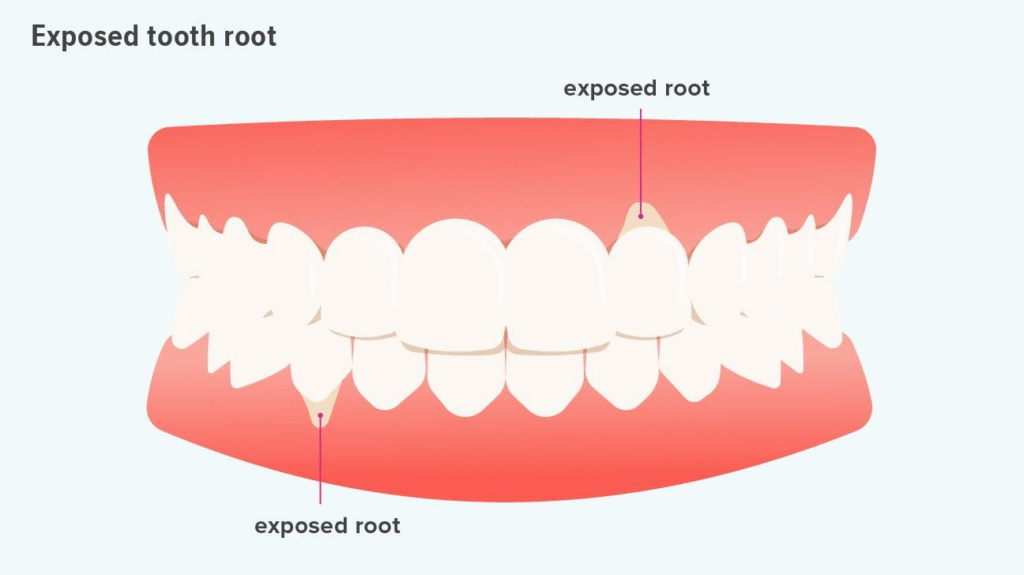
Gums pull away due to periodontal disease, overbrushing, or genetics, exposing sensitive tooth roots. Roots lack enamel and are highly reactive to any liquid contact.
3. Tooth Decay (Cavities) or Early Pulp Irritation
Small cavities or decay near the dentin allow fluids to reach the nerve more easily. Pain from room-temperature water may signal the issue is progressing.
4. Cracked Teeth or Damaged Restorations
Hairline cracks, loose fillings, or old crowns let water seep in, irritating the nerve. Pain might be localized to one tooth.
5. Recent Dental Procedures
Whitening, cleanings, or fillings can cause temporary sensitivity that includes reactions to room-temperature liquids.
6. Other Factors
- Dry mouth (reduced saliva protection)
- Sinus issues (referred pain)
- In rare cases, more serious nerve conditions
Note: If sensitivity is widespread and intense, or if no dental cause is found, it could relate to heightened nerve sensitivity (allodynia). Always get a professional diagnosis.
Symptoms That Often Accompany This Pain
- Sharp, shooting, or zapping pain lasting seconds to a minute
- Discomfort that worsens with air, brushing, or certain foods
- Lingering ache after drinking
- Sensitivity in multiple teeth or specific areas
- Pain that improves temporarily when avoiding liquids or using desensitizing products
If pain lingers long after drinking, swells, or includes fever/bad taste, it may indicate infection or irreversible pulpitis — see a dentist promptly.
Home Remedies for Temporary Relief
These steps can reduce discomfort while you arrange professional care:
- Switch to desensitizing toothpaste (with potassium nitrate or stannous fluoride) — use it twice daily for at least 2–4 weeks.
- Rinse gently with warm (not hot) salt water to soothe gums.
- Avoid acidic, sugary, or very cold/hot drinks; sip room-temperature water slowly.
- Use a soft-bristled toothbrush and gentle technique.
- Apply over-the-counter fluoride gels or rinses to strengthen enamel.
- Chew sugar-free gum to boost saliva flow.
These provide symptomatic relief only — they don’t address the root cause.
Professional Treatments for Teeth Sensitive to Room-Temperature Water
A dentist will examine your teeth, take X-rays if needed, and identify the exact trigger. Common solutions include:
- In-office desensitizing treatments — Fluoride varnishes or sealants that block dentin tubules.
- Dental bonding or fillings — To cover exposed areas or repair cracks/decay.
- Gum therapy — Deep cleaning or gum grafting for recession.
- Crowns — For significantly damaged or cracked teeth.
- Root canal therapy — If the nerve is inflamed or infected and pain persists.
Early intervention often resolves the issue with minimally invasive options and prevents worsening problems like abscesses or tooth loss.
Prevention Tips to Stop Teeth Hurting When Drinking Water
- Brush gently twice daily with a soft toothbrush and non-abrasive toothpaste.
- Floss daily and maintain regular dental check-ups (every 6 months).
- Limit acidic foods and drinks (sodas, citrus, wine); rinse your mouth with water afterward.
- Wear a nightguard if you grind your teeth.
- Address gum health early — treat gingivitis before it leads to recession.
- Stay hydrated and consider saliva-stimulating products if you have dry mouth.
When to See a Dentist
Schedule an appointment right away if:
- Pain from room-temperature water is new, severe, or worsening.
- It affects eating, drinking, or daily activities.
- You notice swelling, redness, or pus.
- Over-the-counter remedies don’t help within a week or two.
Don’t ignore this symptom — what starts as mild sensitivity to water can progress to constant pain or more serious dental issues.
Teeth hurting when drinking room-temperature water is often an early warning sign of exposed dentin or other treatable conditions. With proper care, most people regain comfort and enjoy normal drinking without worry.
If you’re experiencing this, consult your dentist soon for personalized diagnosis and treatment. A healthy, pain-free smile is well worth the visit.
This article is for informational purposes only and does not substitute professional dental advice. Always consult a qualified dentist for diagnosis and treatment recommendations.
