

Chemical peels are one of the most popular professional skincare treatments for improving skin texture, tone, and overall appearance. From reducing acne and pigmentation to softening fine lines and dullness, chemical peels offer visible skin renewal when performed correctly. However, before opting for this treatment, it is essential to understand the side effects of chemical peels, possible chemical peel risks, and most importantly, are chemical peels safe for your skin type.
This comprehensive guide explains everything you need to know—types of chemical peels, benefits, risks, contraindications, safety tips, and how to minimise complications—so you can make an informed decision.
What Is a Chemical Peel?
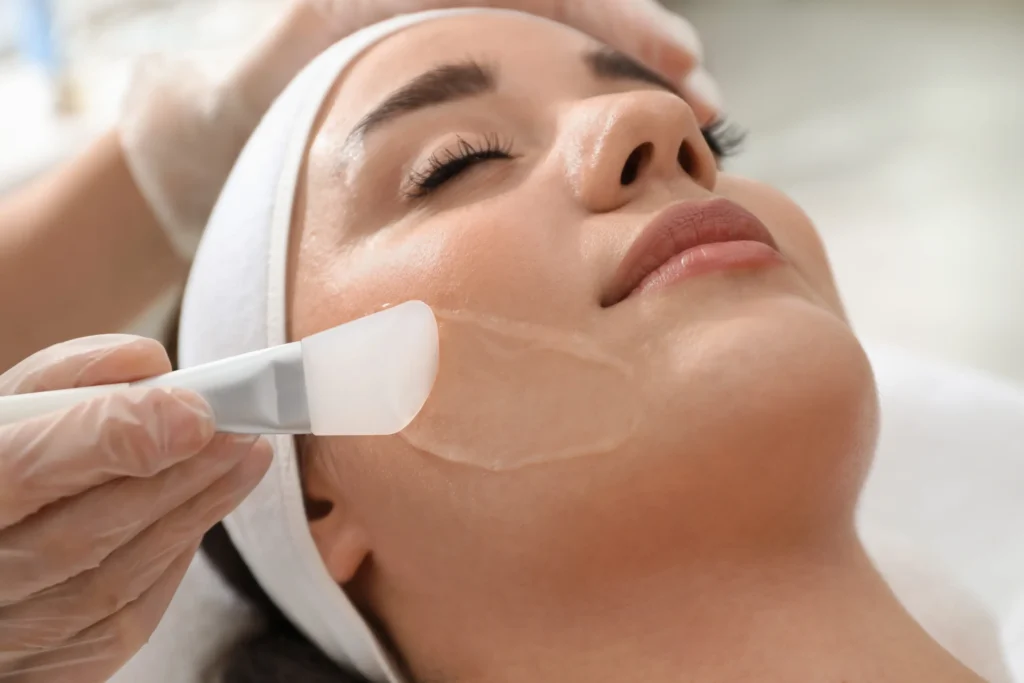
A chemical peel is a skin-resurfacing treatment that uses a controlled chemical solution to exfoliate the outer layers of the skin. This process removes dead skin cells and stimulates new cell growth, resulting in smoother, brighter, and more even-toned skin.
Chemical peels are commonly used to treat:
- Acne and acne marks
- Pigmentation and sun damage
- Fine lines and wrinkles
- Uneven skin tone
- Rough texture and dull skin
- Enlarged pores
While the benefits are impressive, understanding chemical peel risks and proper usage is crucial to avoid complications.
Types of Chemical Peels
Chemical peels vary in strength and depth. Choosing the right type depends on your skin concern, skin type, and tolerance level.
1. Alpha Hydroxy Acids (AHAs)
AHAs are water-soluble acids derived from fruits and milk. Common AHAs include glycolic acid, lactic acid, citric acid, and malic acid.
Benefits of AHA Peels:
- Gentle exfoliation
- Brightens dull skin
- Improves fine lines
- Hydrates dry skin
- Improves mild pigmentation
AHA peels are ideal for beginners and are generally safe with minimal downtime.
Side effects of chemical peels (AHA):
- Mild redness
- Temporary tingling
- Slight dryness
These side effects usually subside within a few hours.
2. Beta Hydroxy Acids (BHAs
BHAs, primarily salicylic acid, are oil-soluble and penetrate deep into pores. They are commonly used for acne-prone and oily skin.
Benefits of BHA Peels:
- Clears clogged pores
- Reduces acne and blackheads
- Controls excess oil
- Calms inflammation
Chemical peel risks with BHA:
- Dryness or peeling
- Mild irritation
- Not suitable for aspirin allergy
People with very sensitive skin should use BHAs cautiously.
3. Trichloroacetic Acid (TCA) Peels
TCA peels are medium-depth peels used to treat more severe skin concerns such as acne scars, deeper pigmentation, and wrinkles.
Benefits of TCA Peels:
- Improves acne scars
- Reduces fine lines
- Stimulates collagen
- Improves sun-damaged skin
Side effects of chemical peels (TCA):
- Redness and swelling
- Visible peeling for several days
- Risk of hyperpigmentation if aftercare is poor
TCA peels should always be performed by trained professionals.
4. Phenol Peels (Deep Peels)
Phenol peels are the strongest type of chemical peel and are reserved for severe skin damage.
Benefits of Phenol Peels:
- Dramatic wrinkle reduction
- Long-lasting results
- Significant skin tightening
Chemical peel risks with phenol:
- Severe peeling and discomfort
- Risk of scarring
- Permanent skin lightening
- Long recovery time
Phenol peels are strictly medical procedures and not suitable for everyone.
Are Chemical Peels Safe?
A common concern is: are chemical peels safe?
The answer is yes—when done correctly, under professional guidance, and with the right peel strength for your skin type.
Chemical peels become unsafe when:
- The wrong peel is chosen
- Concentrations are too high
- Aftercare instructions are ignored
- Peels are overused
- Performed by untrained individuals
Safety depends on proper assessment, correct technique, and disciplined aftercare.
Side Effects of Chemical Peels
Understanding the side effects of chemical peels helps you prepare and avoid unnecessary panic.
Common and Temporary Side Effects
- Redness
- Mild burning or tingling
- Dryness and flaking
- Tightness
These effects are normal and usually resolve within a few days.
Less Common Side Effects
- Prolonged irritation
- Acne flare-ups
- Temporary darkening of skin
Rare but Serious Chemical Peel Risks
- Chemical burns
- Scarring
- Infection
- Persistent hyperpigmentation
These risks are more common with deep peels or improper application.
Chemical Peel Risks You Should Know
1. Skin Irritation and Burns
Incorrect application time or high concentrations can cause burns. Deep peels carry a higher risk.
2. Infection Risk
After peeling, the skin barrier is weakened. Poor hygiene can lead to bacterial or fungal infections.
3. Pigmentation Issues
Uneven skin tone or dark patches can occur if sun protection is neglected.
4. Delayed Healing
Performing peels on damaged or recently treated skin can slow healing.
Who Should Avoid Chemical Peels?
Chemical peels are not recommended for:
- Active skin infections
- Open wounds or cuts
- Severe eczema or psoriasis
- Recent laser or surgical procedures
- Pregnancy or breastfeeding
- Extremely sensitive skin
A proper consultation is essential before undergoing treatment.
How to Reduce Chemical Peel Risks
✔ Always consult a trained professional
✔ Start with mild peels
✔ Follow pre- and post-peel instructions
✔ Avoid sun exposure before and after peeling
✔ Use sunscreen daily
✔ Do not pick or peel flaking skin
✔ Avoid active ingredients during recovery
Proper care significantly reduces side effects of chemical peels.
Chemical Peels and Skin Types
- Dry skin: AHAs are usually safer
- Oily/acne-prone skin: BHAs work well
- Pigmentation concerns: Supervised TCA peels
- Sensitive skin: Mild peels or alternatives
Customisation is key to safety and effectiveness.
Professional vs At-Home Chemical Peels
At-home peels:
- Lower strength
- Safer for beginners
- Slower results
Professional peels:
- Higher concentration
- Faster and deeper results
- Require expert supervision
Using professional-grade peels at home greatly increases chemical peel risks.
Aftercare: The Most Important Safety Step
Post-peel care determines your final results.
Essential Aftercare Tips:
- Use gentle cleansers
- Apply soothing moisturisers
- Avoid exfoliation for 7–10 days
- Use SPF daily
- Stay hydrated
Ignoring aftercare is one of the leading causes of complications.
Frequently Asked Questions
Are chemical peels safe for regular use?
Yes, when spaced properly and chosen according to skin type.
Can chemical peels damage skin permanently?
Rarely, but improper use can cause scarring or pigmentation.
How long do side effects last?
Mild peels: 1–3 days
Medium peels: 7–10 days
Deep peels: several weeks
Are chemical peels better than facials?
Chemical peels work deeper and deliver longer-lasting results.
Final Thoughts
Chemical peels are powerful tools for skin rejuvenation, offering smoother texture, brighter tone, and reduced imperfections. However, understanding the side effects of chemical peels, evaluating chemical peel risks, and knowing are chemical peels safe for your specific skin type are essential steps before treatment.
When chosen correctly and performed by trained professionals, chemical peels are both safe and effective. With the right approach, disciplined aftercare, and realistic expectations, you can enjoy healthier, glowing skin without unnecessary risks.
If in doubt, always seek professional advice—your skin deserves informed care, not shortcuts.
