

Random tooth pain that comes and goes is a frustrating and confusing symptom. You may feel sharp, throbbing, or shooting pain in a tooth for a few seconds or minutes, only for it to vanish completely — sometimes for hours or days. This intermittent pain is rarely random and usually indicates an underlying dental problem that needs attention before it becomes constant or leads to more serious complications.
This comprehensive guide explains the top causes, associated symptoms, and the best steps to take for lasting relief.
Why Does Tooth Pain Come and Go?
Intermittent tooth pain typically occurs when a tooth or its surrounding structures are irritated but not yet severely damaged. Triggers like biting, temperature changes, or even nothing at all can provoke the nerve, while the pain subsides once the stimulus is removed or the pressure eases.
Common Causes of Random Tooth Pain That Comes and Goes
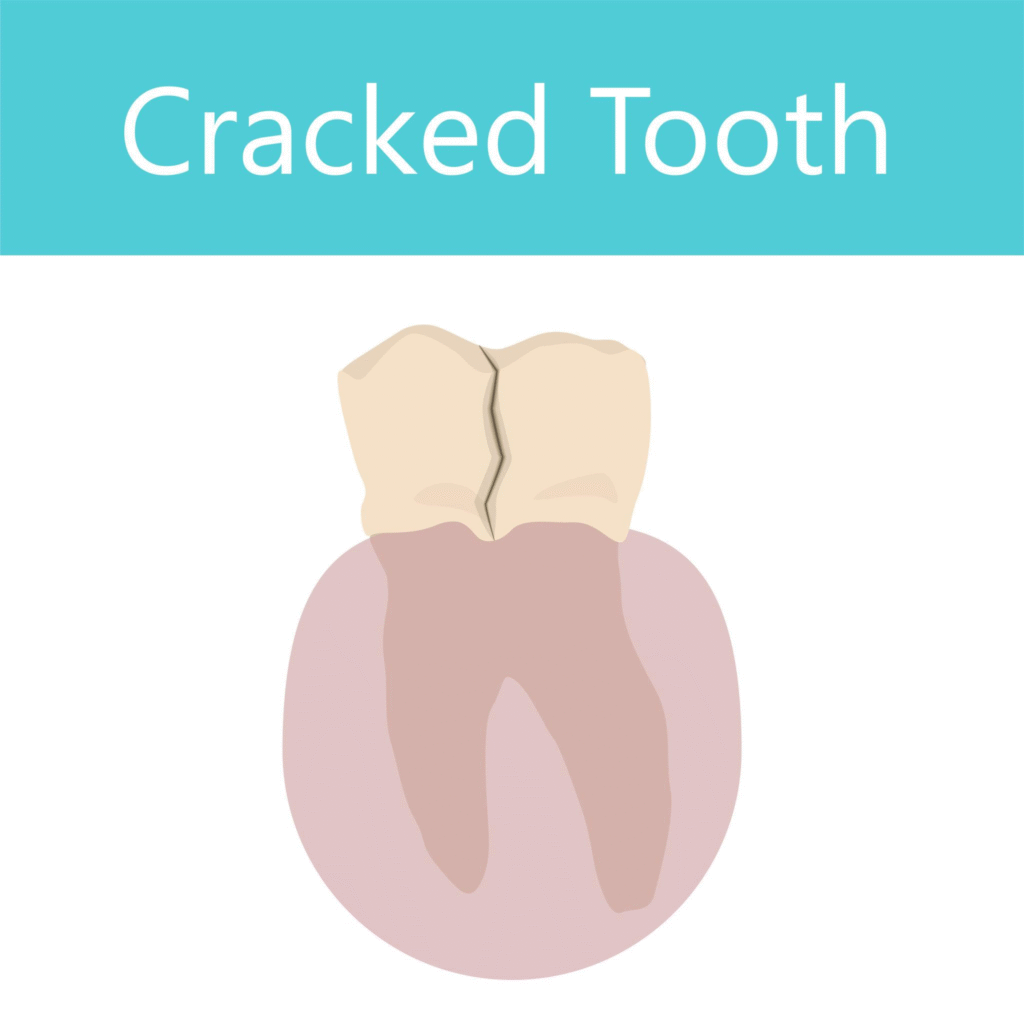
1. Cracked Tooth Syndrome
One of the most common reasons for unpredictable tooth pain. A tiny crack (often too small to see) opens slightly when you bite and pinches the nerve, then closes when you release pressure.
2. Early Decay or Reversible Pulpitis
Cavities that haven’t yet reached the deep pulp cause inflammation that flares up with sweet foods, cold drinks, or pressure, then settles down.
3. Loose, Cracked, or Leaking Fillings/Crowns
Old restorations can shift or develop micro-gaps, allowing bacteria and fluids to irritate the nerve intermittently.
4. Gum Disease or Periodontal Abscess
Inflammation or small pockets of infection around the tooth roots can cause random aching or sharp pain that comes and goes.
5. Bruxism (Teeth Grinding/Clenching)
Nighttime or daytime grinding stresses teeth and jaw joints, leading to sporadic pain throughout the day.
6. Impacted or Erupting Wisdom Teeth
Pressure from wisdom teeth pushing against other teeth often causes pain that appears and disappears.
7. Sinus Infections or Allergies
Upper molars share nerve pathways with the sinuses. Congestion can create referred pain that fluctuates with sinus pressure.
8. Other Possible Causes
- Exposed tooth roots due to gum recession
- Temporomandibular joint (TMJ) disorders
- Trigeminal neuralgia (rare but causes intense electric-shock pain)
Key Symptoms to Watch For
- Sharp, shooting, or throbbing pain in one specific tooth or area
- Pain triggered by chewing, tapping, hot/cold/sweet foods
- Discomfort that appears suddenly and disappears on its own
- Mild sensitivity between episodes
- Jaw pain, headaches, or earache in some cases
The fact that the pain is not constant is actually a good sign — it usually means the problem is still treatable with simpler procedures.
Home Management While Awaiting Dental Care
- Take over-the-counter anti-inflammatory medication (ibuprofen) as needed
- Use desensitizing toothpaste daily
- Rinse with warm saltwater 2–3 times a day
- Avoid chewing on the affected side
- Skip very hot, cold, or sugary foods and drinks
- Use a nightguard if you grind your teeth
These steps only provide temporary relief and do not fix the cause.
Professional Diagnosis and Treatment
Dentists diagnose intermittent tooth pain through:
- Clinical examination
- Dental X-rays or 3D imaging
- Bite tests and percussion testing
- Cold or electric pulp testing
Common treatments include:
- Composite filling or dental bonding for cracks or decay
- Crown placement to protect cracked or weakened teeth
- Root canal treatment if the pulp is inflamed or infected
- Gum therapy (scaling & root planing)
- Wisdom tooth extraction
- Nightguard fabrication for bruxism
The earlier you seek treatment, the higher the chance of saving the tooth with minimal intervention.
Prevention Tips
- Brush twice daily and floss once a day
- Visit your dentist every 6 months for regular check-ups and cleanings
- Wear a custom nightguard if you grind or clench
- Address gum recession and sensitivity early
- Limit acidic and sugary foods
- Treat sinus issues promptly
When to See a Dentist Immediately
Schedule an appointment as soon as possible if you experience:
- Random tooth pain that recurs over several days
- Pain that is getting more frequent or intense
- Swelling, fever, or bad taste in the mouth
- Difficulty chewing or opening your mouth
Random tooth pain that comes and goes should never be ignored. It is often the early stage of decay, cracks, or infection. Getting a professional diagnosis quickly can prevent the pain from becoming constant and avoid more extensive (and expensive) treatments later.
Don’t wait for the pain to get worse. Book a dental visit today and take control of your oral health.
This article is for informational purposes only and does not replace professional dental advice. Always consult a qualified dentist for accurate diagnosis and treatment.
