

Hair loss is no longer just a cosmetic concern—it affects confidence, self-image, and overall well-being. With increasing stress, lifestyle imbalances, nutritional deficiencies, hormonal changes, and environmental exposure, hair thinning has become common among both men and women. This has led many people to explore advanced, non-surgical solutions such as PRP vs Mesotherapy for hair growth.
But the big question remains: PRP vs Mesotherapy – which is more effective against hair loss?
The answer depends on the cause of hair fall, hair condition, expectations, and long-term goals.
This in-depth, SEO-optimised guide explains everything you need to know about PRP vs Mesotherapy, including how they work, differences, benefits, risks, results, and how to choose the right option for your hair needs.
Understanding Hair Loss: Why Treatment Choice Matters
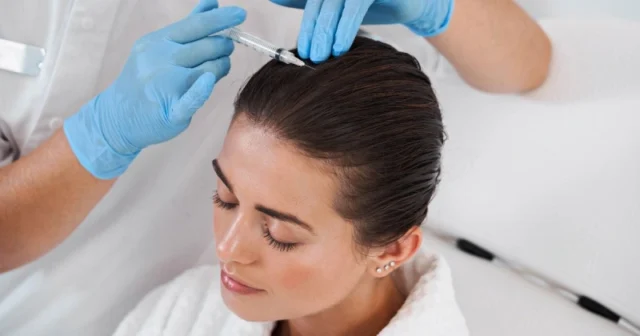
Hair loss can occur due to multiple reasons, including:
- Genetic predisposition (androgenetic alopecia)
- Stress and lifestyle imbalance
- Nutritional deficiencies (iron, protein, vitamins)
- Hormonal changes
- Seasonal hair fall
- Post-illness or post-pregnancy shedding
Because the causes vary, no single treatment works for everyone. This is why comparing PRP vs Mesotherapy is essential before deciding.
What Is PRP Treatment for Hair Loss?
PRP (Platelet-Rich Plasma) therapy is a regenerative treatment that uses your own blood to stimulate hair growth.
How PRP Works
- A small amount of blood is drawn from your arm
- The blood is processed in a centrifuge to isolate platelet-rich plasma
- This PRP, rich in growth factors, is injected into the scalp
Platelets release growth factors that:
- Reactivate dormant hair follicles
- Strengthen weak follicles
- Improve blood circulation
- Extend the hair growth (anagen) phase
PRP focuses on cellular regeneration, making it a powerful option for long-term hair restoration.
What Is Mesotherapy for Hair Loss?
Mesotherapy is a treatment that delivers a customised cocktail of nutrients directly into the scalp through micro-injections.
Ingredients Used in Mesotherapy
- Vitamins (B-complex, biotin)
- Minerals (zinc, iron)
- Amino acids
- Peptides and growth factors
How Mesotherapy Works
Mesotherapy nourishes hair follicles directly, improves scalp health, boosts circulation, and reduces hair fall caused by deficiencies or stress.
Unlike PRP, mesotherapy does not rely on blood components—it works by external nutritional support.
PRP vs Mesotherapy: Side-by-Side Comparison
| Feature | PRP Treatment | Mesotherapy |
| Treatment approach | Regenerative | Nutritional |
| Source | Patient’s own blood | External nutrient cocktail |
| Procedure time | 45–60 minutes | 20–30 minutes |
| Best for | Genetic hair loss, thinning | Stress, nutritional hair loss |
| Results start | 3–4 months | 2–3 months |
| Duration of results | 12–18 months | 6–12 months |
| Maintenance | Less frequent | More frequent |
| Allergy risk | Very low | Possible |
| Cost per session | Higher | Lower |
This comparison highlights why PRP vs Mesotherapy is not about which is better overall, but which is better for you.
Key Differences Between PRP and Mesotherapy
1️⃣ How They Work
- PRP stimulates hair follicles from within using growth factors
- Mesotherapy supplies external nutrients to support hair growth
PRP repairs and regenerates follicles, while mesotherapy strengthens and nourishes them.
2️⃣ Treatment Process
PRP Treatment Process
- Blood draw
- Centrifugation
- PRP scalp injections
⏱ Time: 45–60 minutes
Mesotherapy Process
- Preparation of nutrient solution
- Micro-injections into scalp
⏱ Time: 20–30 minutes
Mesotherapy is quicker, while PRP is more advanced and regenerative.
3️⃣ Ingredients Used
- PRP: 100% natural, derived from your own platelets
- Mesotherapy: Vitamins, minerals, amino acids, peptides
PRP has minimal allergy risk, whereas mesotherapy may cause sensitivity in some individuals.
4️⃣ Who Should Choose Each Treatment?
Choose PRP if you have:
- Genetic hair loss
- Progressive hair thinning
- Weak hair follicles
- Post-hair transplant hair shedding
- Need for long-term improvement
Choose Mesotherapy if you have:
- Stress-related hair fall
- Nutritional deficiencies
- Seasonal hair shedding
- Early-stage hair thinning
- Need for quick scalp nourishment
Understanding your hair loss cause is key when comparing PRP vs Mesotherapy.
5️⃣ Side Effects and Risks
PRP Side Effects
- Mild redness
- Temporary swelling
- Slight discomfort
- Extremely low infection risk
Mesotherapy Side Effects
- Mild pain or bruising
- Temporary swelling
- Rare allergic reactions
Both treatments are safe when performed by trained professionals.
6️⃣ How Long Do the Results Last?
PRP Results
- Visible improvement: 3–4 months
- Duration: 12–18 months
- Maintenance: Once or twice a year
Mesotherapy Results
- Visible improvement: 2–3 months
- Duration: 6–12 months
- Maintenance: Regular sessions required
If you are seeking longevity, PRP often wins in the PRP vs Mesotherapy comparison.
7️⃣ Cost Considerations
- PRP: Higher cost per session but fewer sessions needed
- Mesotherapy: Lower cost per session but more frequent sessions
Long-term cost may balance out depending on treatment frequency.
PRP vs Mesotherapy: Which Is Right for You?
The choice between PRP vs Mesotherapy depends on your priorities.
✔ Want long-term hair regeneration? → PRP
✔ Need quick nourishment and reduced shedding? → Mesotherapy
✔ Genetic hair loss? → PRP
✔ Stress or deficiency-related hair fall? → Mesotherapy
A professional consultation helps identify the root cause and choose the right option.
Can PRP and Mesotherapy Be Combined?
Yes. In many cases, combining PRP and mesotherapy delivers superior results.
- PRP activates follicle regeneration
- Mesotherapy supplies essential nutrients
This combined approach is often recommended for moderate hair loss or post-transplant care.
How Many Sessions Are Required?
PRP
- Initial: 3–4 sessions (4–6 weeks apart)
- Maintenance: 1 session every 6–12 months
Mesotherapy
- Initial: 6–8 sessions (weekly or biweekly)
- Maintenance: Monthly or seasonal sessions
Consistency is essential for both treatments.
Why Results Vary Between Individuals
Hair growth response differs due to:
- Genetics
- Age
- Hormonal balance
- Lifestyle and stress
- Nutritional status
- Scalp health
This is why personalised treatment planning is crucial when choosing between PRP vs Mesotherapy.
Final Thoughts: PRP vs Mesotherapy – Make an Informed Choice
Both PRP and mesotherapy are effective, non-surgical hair loss treatments—but they work in different ways.
- PRP focuses on regeneration and long-term follicle health
- Mesotherapy focuses on nourishment and faster improvement
There is no one-size-fits-all solution. The best results come from understanding your hair loss pattern, expectations, and choosing the right treatment—or combination—accordingly.
If you are confused between PRP vs Mesotherapy, remember this:
The right treatment is the one that matches the cause of your hair loss, not just the trend.
A personalised consultation with a hair specialist is always the smartest first step toward healthier, fuller hair.
