

Dysgeusia is a condition where the normal sense of taste becomes distorted. People may suddenly experience a metallic, bitter, foul, or salty taste, even when they are not eating anything. This can be alarming and uncomfortable, often reducing appetite and affecting day-to-day life.
For many individuals, especially those who frequently notice a metallic taste after brushing teeth, the experience can raise concerns about oral health. Understanding the underlying issues—particularly the metallic taste in mouth dental causes—can help in getting proper diagnosis and treatment.
This guide explains dysgeusia in detail, including causes, symptoms, diagnosis, prevention, and treatment options.
What Is Dysgeusia?
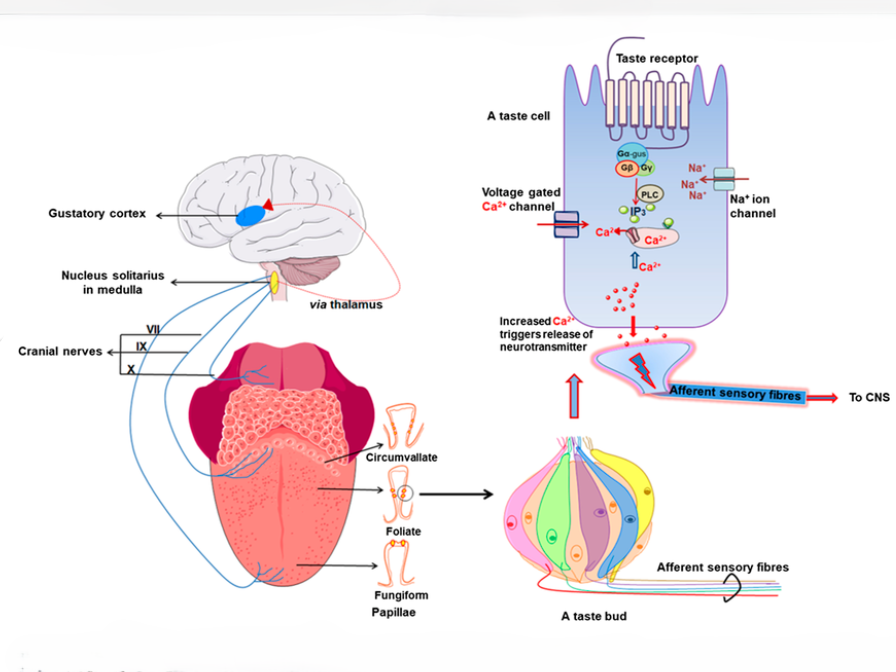
Dysgeusia is a persistent alteration in the way your taste buds perceive flavours. A person may feel:
- Food tastes metallic
- Everything tastes bitter
- No taste at all
- Taste changes only while brushing or after eating
The distortion may come from dental problems, infections, medications, nutritional deficiencies, or lifestyle habits.
Common Causes and Risk Factors
1. Infectious & Environmental Causes
Viral Infections
Respiratory infections like the common cold, flu, and COVID-19 often inflame taste buds and olfactory nerves. This temporary inflammation can lead to loss of taste or a metallic taste.
Bacterial Infections
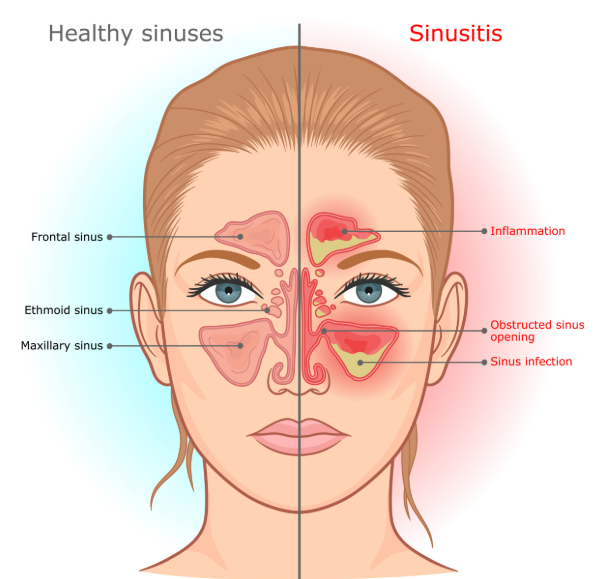
Sinusitis, throat infections, gum infections, or oral abscesses can also affect taste perception.
Exposure to Toxins
Certain heavy metals like mercury and lead can cause long-term taste disorders.
2. Genetic & Autoimmune Causes
Genetic Factors
Some individuals are genetically more sensitive to taste disturbances.
Autoimmune Conditions
Sjögren’s syndrome, lupus, and similar disorders can cause dry mouth, which directly interferes with taste function.
3. Lifestyle & Dietary Causes
Nutritional Deficiencies
A lack of:
- Zinc
- Vitamin B12
- Iron
can lead to dysgeusia. Zinc deficiency, in particular, is strongly linked with metallic taste.
Smoking & Alcohol
Smoking damages taste buds. Excessive alcohol reduces saliva and irritates oral tissues.
Medications
Many medicines commonly used in India can cause taste changes, such as:
- Antibiotics
- Antihistamines
- Blood pressure medicines
- Antidepressants
- Chemotherapy drugs
4. Key Dental Causes (Very Important for SEO)
Many people specifically search for metallic taste in mouth dental causes, because dental issues are one of the most common reasons for persistent taste changes.
A. Gum Disease (Gingivitis / Periodontitis)
Inflamed gums produce blood and bacteria-laden fluids that create a metallic or bitter taste.
B. Poor Oral Hygiene
Accumulation of plaque, tartar, and food debris affects taste buds.
C. Dental Infections
Tooth infections, abscesses, and root canal problems can release pus or blood, leading to foul or metallic taste.
D. Bleeding Gums
Bleeding gums during brushing cause iron-containing blood to mix with saliva, creating a metallic taste.
E. Dental Restorations
Old metal fillings or crowns may produce an odd taste, especially when corroding.
F. Dry Mouth (Xerostomia)
Less saliva means bacteria grow faster, often creating a foul or metallic taste.
G. Reason For Metallic Taste After Brushing Teeth
Many Indians report a metallic taste after brushing teeth. This may be due to:
- Active bleeding gums
- Strong toothpaste ingredients
- Chemical reaction between toothpaste and existing dental fillings
- Brushing too hard
- Underlying gum infection
- Fluoride sensitivity
If the metallic taste appears only after brushing, gum disease or abrasive brushing habits are the most likely culprits.
Symptoms of Dysgeusia

The main symptom is persistent alteration in taste, but others may include:
- Metallic, bitter, or sour taste
- Loss of ability to taste flavours
- Food tasting unusually salty or sweet
- Dry mouth or burning sensation
- Bad breath
- Reduced appetite
When to Seek Immediate Medical Attention

Although dysgeusia is not dangerous, seek help if you experience:
- Sudden loss of taste with weakness or confusion
- Severe dry mouth
- Persistent metallic taste for more than 2–4 weeks
- Metallic taste after brushing teeth that worsens over time
- High fever, facial swelling, or dental pain
Diagnosis: How Doctors Identify Dysgeusia
Clinical Evaluation
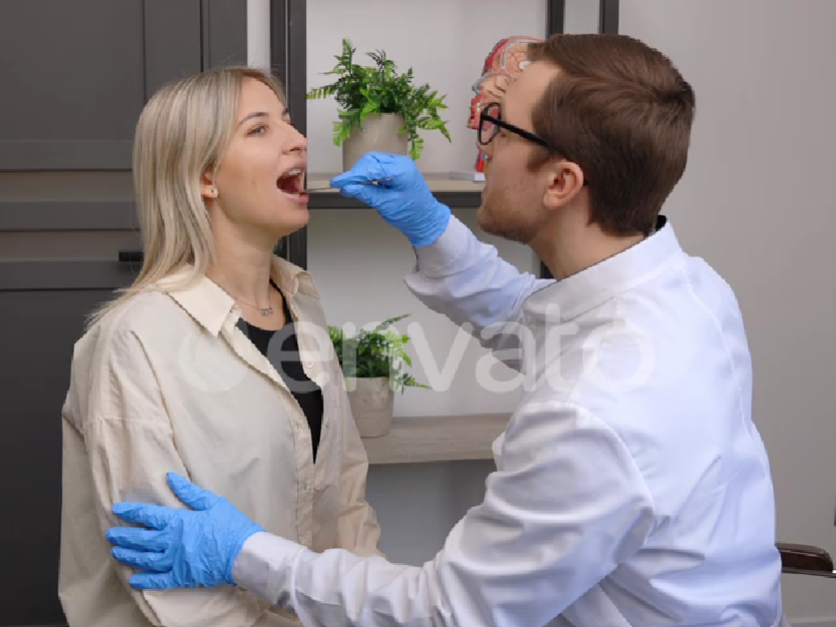
A doctor or dentist begins with:
- Detailed medical history
- Review of medications
- Examination of mouth, gums, and tongue
Diagnostic Tests
Depending on symptoms, a doctor may order:
- Blood tests (for zinc, B12, iron, infections)
- X-ray, CT scan, or MRI (if sinus or nerve-related issues)
- Saliva tests
- Dental X-rays
- Taste sensitivity tests
Differential Diagnosis
Dysgeusia can resemble:
- Ageusia (no taste)
- Phantom taste perception
- Gustatory nerve damage
Treatment Options

1. Medical Treatments
Adjusting Medication
If medicines are the cause, doctors may change or adjust the dosage.
Treating Dental Problems
Dentists may recommend:
- Professional dental cleaning
- Gum infection treatment
- Treating dental caries or abscesses
- Replacing old metal fillings
This is especially important when dealing with metallic taste in mouth dental causes.
Dietary Supplements
Zinc and vitamin B12 supplements can help if deficiencies are detected.
Oral Hygiene Products
Therapeutic mouthwashes, gels, and fluoride treatments may reduce symptoms.
2. Non-Pharmacological Treatments
Dietary Modifications
- Add herbs like mint, basil, cinnamon, or lemon to enhance flavour
- Use stainless steel cutlery instead of metal
- Reduce overly processed or salty foods
Hydration
Drinking adequate water increases saliva and improves taste.
Avoid Irritants
Reduce:
- Tobacco
- Alcohol
- Very spicy foods
Special Considerations for Different Age Groups
Children
Focus on healthy nutrition, hydration, and treatment of infections.
Elderly
Taste issues are more common due to:
- Medication use
- Age-related dryness
- Poor dental health
A holistic approach works best.
Complications of Untreated Dysgeusia
If ignored, dysgeusia can lead to:
Short-Term Complications
- Reduced appetite
- Mild nutritional changes
Long-Term Complications
- Significant weight loss
- Vitamin deficiencies
- Worsening gum disease
- Mental health effects such as anxiety or depression
Prevention Tips
You can reduce the risk of dysgeusia by:
- Maintaining good oral hygiene
- Staying hydrated
- Eating a balanced diet rich in zinc and B12
- Avoiding smoking
- Getting regular dental check-ups
- Managing chronic diseases properly
Frequently Asked Questions (FAQ)
1. What are common metallic taste in mouth dental causes?
Common causes include gum disease, poor oral hygiene, dental infections, bleeding gums, and dry mouth.
2. Why do I get a metallic taste after brushing teeth?
This may happen due to bleeding gums, harsh brushing, strong toothpaste chemicals, or gum infection.
3. Can dysgeusia be treated?
Yes. Treatment depends on identifying and managing the underlying cause.
4. Is dysgeusia dangerous?
Not usually, but it can lead to nutritional deficiencies and dental problems if ignored.
5. How long does dysgeusia last?
It depends on the cause. Infection-related dysgeusia may resolve quickly; chronic cases may take longer.
When to See a Doctor or Dentist
Seek help if:
- Metallic taste persists for more than 2–3 weeks
- You notice bleeding gums or bad breath
- You experience metallic taste after brushing teeth daily
- Taste changes are sudden or severe
Conclusion and Disclaimer
Dysgeusia is a complex but manageable condition. Understanding the metallic taste in mouth dental causes, nutritional links, and lifestyle factors helps in early diagnosis and effective treatment. If you or someone you know experiences persistent taste changes, consult a doctor or dentist for proper evaluation.
Disclaimer: This article is for educational purposes only and is not a substitute for medical advice.
