

Jaw pain, also called mandibular pain, can interfere with eating, speaking, working, and even sleeping. For many people, the discomfort is especially noticeable first thing in the morning. Questions like “Why does my jaw hurt when I wake up?”, “Why does my jaw hurt in the morning?”, or “Why do I feel jaw pain after sleeping?” are extremely common.
This comprehensive guide explains the causes, symptoms, and effective treatments for jaw pain. Whether the discomfort is mild or severe, this article will help you identify possible triggers and find practical solutions.
Why Does My Jaw Hurt When I Wake Up? (Understanding Jaw Pain After Sleeping)
Waking up with jaw pain can be confusing and frustrating. This discomfort may stem from nighttime habits, dental issues, stress, muscular tension, or underlying medical conditions. What happens during sleep can significantly affect jaw muscles, joints, and nerves.
Before choosing any treatment, it’s essential to understand the root causes.
Major Causes of Jaw Pain
Jaw pain can originate from dental issues, ENT conditions, joint problems, nerve disorders, or infections. Below are the most frequent causes.
1. Temporomandibular Disorders (TMD)
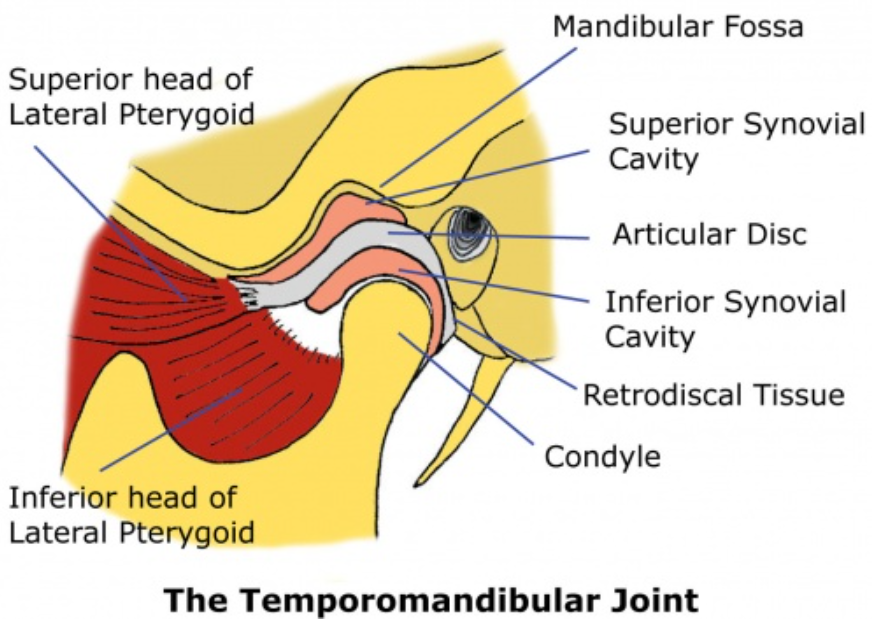
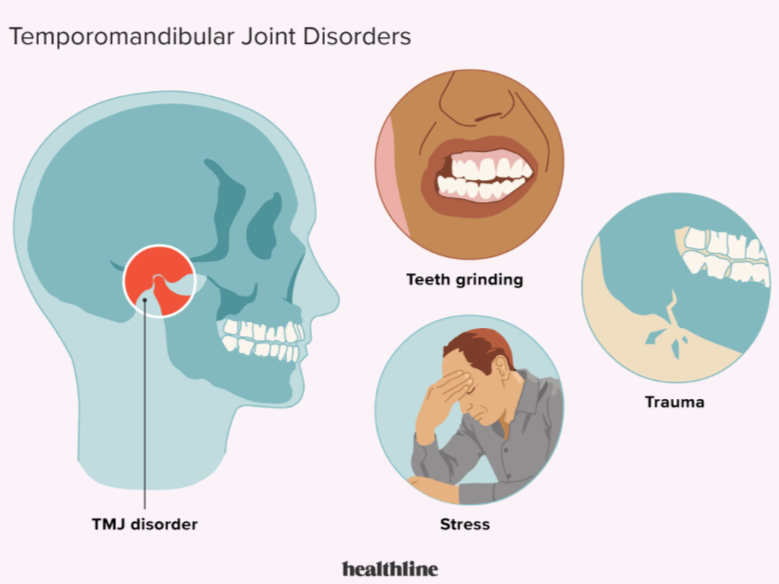
Temporomandibular joint (TMJ) disorders are among the most common causes of jaw pain. The TMJ connects the lower jaw to the skull and enables movements like chewing and speaking.
Symptoms of TMD
- Pain while chewing or speaking
- Clicking, popping, or cracking sounds
- Jaw locking or difficulty opening the mouth
- Tenderness in the jaw joint
What Causes TMD?
- Stress and jaw clenching
- Injury to the jaw
- Arthritis
- Structural jaw abnormalities
2. Dental Problems
Dental issues are another major source of jaw pain.
Common Dental Causes
a. Wisdom Teeth Eruption
Pressure from erupting wisdom teeth can cause swelling and pain.
b. Untreated Cavities or Infections
Infections may spread to the jawbone, leading to severe pain.
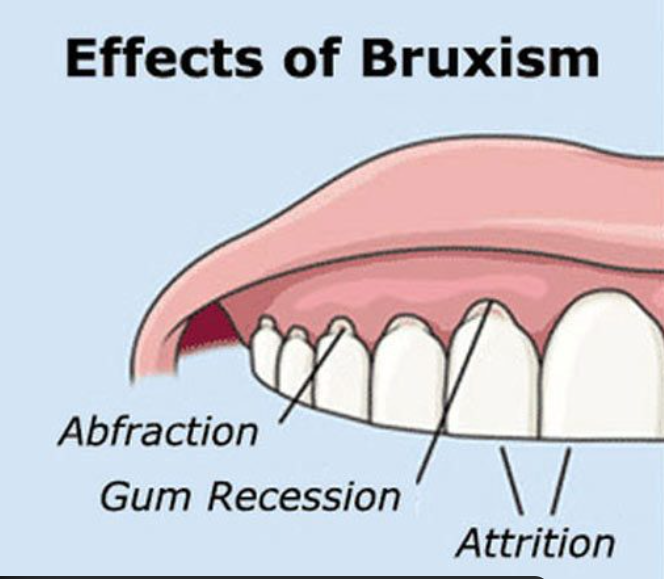
c. Bruxism (Teeth Grinding or Clenching)
One of the leading causes of morning jaw pain, often triggered by:
- Stress
- Anxiety
- Sleep disorders
d. Malocclusion (Misaligned Teeth)
Misalignment forces jaw muscles to overwork, causing tension and pain.
3. Sinusitis
When the maxillary sinuses are inflamed, they can cause:
- Jaw pressure
- Pain in upper teeth
- Cheek tenderness
- Nasal congestion
If jaw pain occurs along with sinus symptoms, sinusitis may be the cause.
4. Trigeminal Neuralgia
A nerve condition causing:
- Sharp, electric-shock-like pain
- Sudden pain triggered by speaking, eating, or touching the face
- Pain in cheeks, lower face, or jaw
This condition is severe and requires medical attention.
5. Mumps and Tetanus
Although rare, these conditions can cause jaw pain.
Mumps: Swelling of salivary glands causes jaw discomfort.
Tetanus: Leads to painful jaw muscle contractions (lockjaw).
Why Your Jaw Hurts in the Morning: Additional Common Reasons
1. Poor Sleeping Posture
Sleeping face down or using an unsupportive pillow strains jaw and neck muscles.
2. Nighttime Stress
People often clench their jaw during sleep due to stress.
3. Dehydration
Low hydration affects muscle function and increases tension.
4. Sleep Apnea
Sleep apnea can trigger teeth grinding and jaw muscle tightness.
How to Relieve Jaw Pain: Effective Treatments
To relieve jaw pain permanently, you must identify the underlying cause. A doctor or dentist can diagnose the issue and recommend treatment.
Medical Treatments
- Anti-inflammatory and Pain Medications
Reduce swelling and relieve pain. - Muscle Relaxants
Useful for bruxism and nighttime clenching. - Orthodontic Treatment
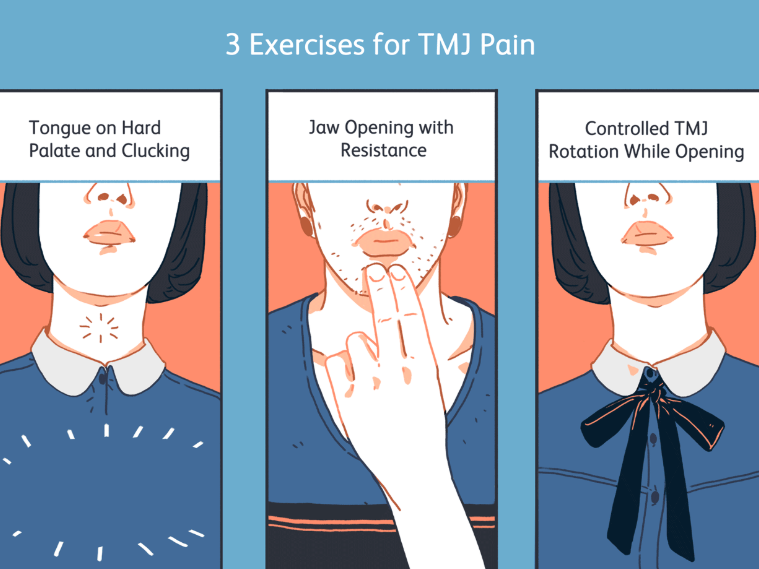
Braces or aligners for bite correction. - Physiotherapy
Targeted exercises improve jaw mobility and reduce pressure. - Antibiotics
Treat dental, sinus, or soft-tissue infections. - Botox Injections
Helps relax overactive jaw muscles in severe bruxism or TMJ disorders. - Surgery
Reserved for serious TMJ cases unresponsive to conservative methods.
Home Remedies to Ease Jaw Pain (Before Seeing a Doctor)
1. Apply Heat or Cold
- Warm compress: relaxes muscles
- Cold compress: reduces inflammation
2. Limit Jaw Movement
Avoid:
- Hard foods
- Excessive chewing
- Talking for long periods
3. Gentle Jaw Massage
Promotes muscle relaxation and blood flow.
4. Use an Occlusal Splint (Mouthguard)
Helps:
- Protect teeth
- Reduce jaw pressure
- Prevent morning pain
5. Practice Stress Reduction
Meditation, deep breathing, or yoga may reduce nighttime clenching.
6. Maintain Good Oral Hygiene
Brush twice daily; use antibacterial mouthwash.
When Should You Consult a Doctor or Dentist?
Seek professional help if you experience:
- Jaw pain lasting more than a few days
- Difficulty opening or closing your mouth
- Persistent morning jaw pain
- Clicking or locking of the jaw
- Swelling, fever, or infection signs
- Sharp, electric-like nerve pain
These symptoms may indicate an underlying condition requiring treatment.
Final Thoughts
Whether you’re dealing with jaw pain after sleeping or wondering why your jaw hurts in the morning, the key is identifying the root cause. Pain may come from stress, bruxism, dental issues, sinus infections, joint disorders, or nerve problems. Most causes are treatable with early care.
Simple steps like warm compresses, stress reduction, better sleep posture, and good oral hygiene can greatly reduce discomfort. However, if the pain persists, always consult a healthcare professional.
