

Experiencing gums that sting after brushing is a common and unpleasant issue. Instead of feeling clean and refreshed, you get a burning, tingling, or stinging sensation that can last from a few minutes to several hours. This sensitivity often points to irritation of the delicate gum tissue and is usually treatable once the underlying cause is identified.
This article explores the most common reasons why your gums sting after brushing, along with practical solutions and prevention tips.
Common Causes of Stinging Gums After Brushing
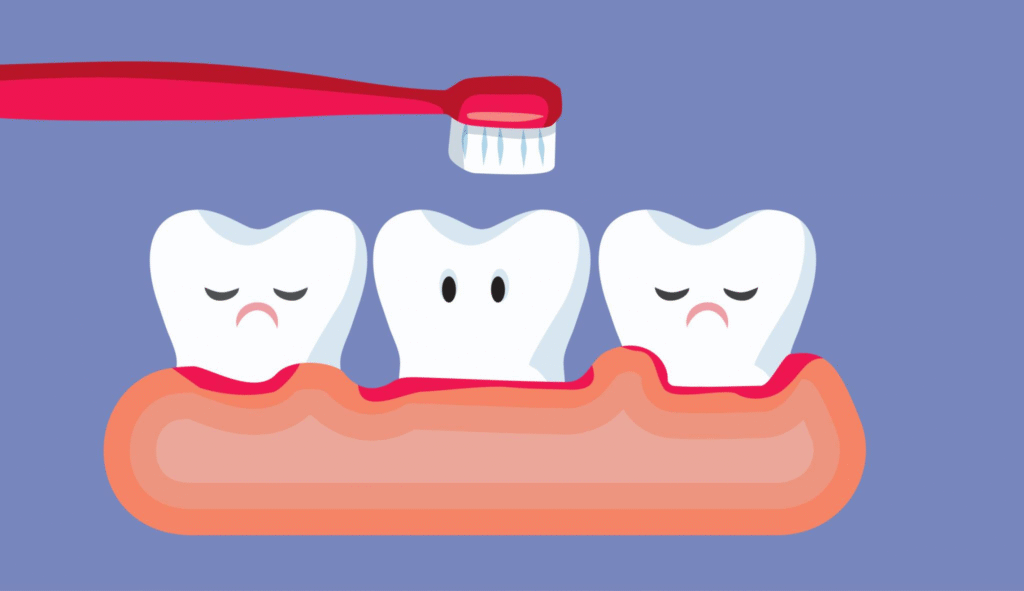
1. Aggressive Brushing or Wrong Technique
Brushing too hard or using a hard-bristled toothbrush can traumatize the gums, causing micro-tears and inflammation. This leads to immediate stinging, especially if you scrub back and forth vigorously.
2. Harsh Toothpaste Ingredients
Many toothpastes contain ingredients that irritate sensitive gums:
- Sodium Lauryl Sulfate (SLS) — A foaming agent that can dry out and irritate gum tissue.
- Whitening agents (peroxide-based) — Can cause burning in sensitive individuals.
- Strong mint flavors or essential oils.
Switching to an SLS-free or sensitivity-formulated toothpaste often resolves the issue quickly.
3. Gum Disease (Gingivitis or Periodontitis)
Inflamed or infected gums are highly sensitive. Plaque buildup along the gum line makes them red, swollen, and prone to stinging when disturbed by brushing. Bleeding gums often accompany the stinging sensation.
4. Receding Gums or Exposed Roots
When gums recede, the sensitive root surfaces become exposed. These areas lack protective enamel, so brushing causes sharp stinging or pain.
5. Canker Sores or Mouth Ulcers
Existing sores on the gums or inner cheeks become extremely painful when toothpaste or the toothbrush touches them.
6. Allergic Reactions or Sensitivity
Some people react to toothpaste, mouthwash, or even the bristles of their toothbrush. Reactions can range from mild stinging to more severe swelling.
7. Dry Mouth (Xerostomia)
Reduced saliva leaves gums vulnerable and dry. Brushing without enough natural lubrication increases friction and stinging.
8. Recent Dental Work
Cleanings, whitening treatments, fillings, or scaling can leave gums temporarily sensitive and reactive to brushing for days or weeks afterward.
9. Other Factors
- Overuse of alcohol-based mouthwashes
- Acidic foods or drinks consumed before brushing
- Hormonal changes (pregnancy, menopause)
- Vitamin deficiencies (especially Vitamin C)
Associated Symptoms
- Red, swollen, or bleeding gums
- Burning sensation that lasts after brushing
- Gum recession or pockets between teeth and gums
- Bad breath or metallic taste
- General tooth sensitivity
Immediate Relief for Stinging Gums
- Rinse your mouth with lukewarm saltwater (1 tsp salt in a glass of warm water).
- Switch to a soft-bristled toothbrush and brush gently using small circular motions.
- Use a desensitizing or SLS-free toothpaste designed for sensitive gums.
- Avoid brushing immediately after acidic meals — wait 30–60 minutes.
- Apply a small amount of pure aloe vera gel or over-the-counter oral numbing gel for soothing.
Professional Treatments
If home changes don’t help within a week, visit your dentist. They may recommend:
- Professional deep cleaning (scaling and root planing) to remove plaque and tartar.
- Prescription toothpaste or medicated gels.
- Treatment for gum disease or underlying infections.
- Evaluation for allergies or other oral conditions.
Prevention Tips
- Brush gently twice a day for two minutes with a soft toothbrush.
- Choose gentle, SLS-free toothpaste and alcohol-free mouthwash.
- Floss daily with care to avoid injuring gums.
- Maintain regular dental cleanings every 6 months.
- Stay hydrated and manage dry mouth if present.
- Replace your toothbrush every 3 months.
When to See a Dentist
Contact a dental professional if:
- Stinging persists for more than 7–10 days despite gentler brushing.
- Gums bleed easily or appear very red/swollen.
- You notice pus, bad breath that won’t go away, or loose teeth.
- Pain is severe or spreading.
Gums that sting after brushing are your body’s way of signaling irritation or a developing problem. In most cases, simple changes in technique and toothpaste resolve the issue. However, persistent symptoms often indicate gum disease or another treatable condition that benefits from early professional care.
Don’t ignore stinging gums — addressing them promptly can prevent more serious oral health issues and keep your smile comfortable and healthy.
This article is for informational purposes only and does not replace professional dental advice. Consult a qualified dentist for diagnosis and personalized treatment.
