

Waking up with foamy saliva in the mouth is a surprisingly common complaint. You may notice white, bubbly, or frothy spit on your pillow, around your lips, or when you first spit in the sink. While it can look alarming, it is usually harmless and often linked to dry mouth (xerostomia) overnight.
This guide explains why foamy saliva appears mainly in the morning, the most common triggers, home remedies, and when you should see a doctor or dentist.
Why Do You Have Foamy Saliva in the Morning?
Saliva is normally thin and watery. When saliva production decreases or its consistency thickens (often due to overnight dehydration or mouth breathing), it mixes with air more easily and becomes frothy or foamy. This is especially noticeable first thing in the morning because saliva flow naturally slows during sleep.
Common Causes of Foamy Saliva in the Morning
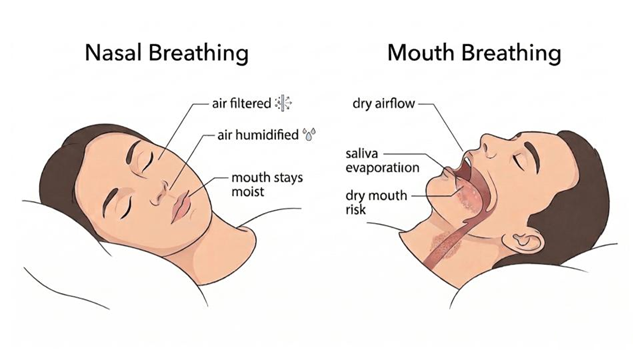
1. Dry Mouth (Xerostomia)
The leading cause. Overnight dry mouth makes saliva thicker and more prone to foaming when mixed with air.
Triggers include:
- Sleeping with your mouth open
- Snoring or sleep apnea
- Dehydration (not drinking enough water during the day)
- Mouth breathing due to nasal congestion
2. Medications
Many common drugs reduce saliva flow, leading to morning foaminess:
- Antihistamines and decongestants
- Blood pressure medications
- Antidepressants and anxiety meds
- Pain relievers
3. Acid Reflux (GERD) and Water Brash
Stomach acid rising overnight can trigger excess saliva production as a protective response. This extra saliva mixes with acid and air, creating foamy or sour-tasting spit in the morning.
4. Poor Oral Hygiene or Oral Infections
Bacteria buildup, plaque, or conditions like oral thrush can alter saliva consistency and contribute to a foamy appearance.
5. Other Contributing Factors
- Stress or anxiety (can dry the mouth)
- Smoking or alcohol consumption
- Chronic conditions such as diabetes or Sjögren’s syndrome
- Post-nasal drip from allergies or sinus issues
Note: Serious causes like seizures, rabies, or pulmonary edema typically involve heavy foaming at the mouth with other severe symptoms — not just mild morning foam.
Associated Symptoms to Watch For
- Sticky or dry feeling in the mouth upon waking
- Bad breath (halitosis)
- White coating on the tongue
- Sour or bitter taste
- Frequent thirst
- Difficulty swallowing or speaking comfortably in the morning
If foamy saliva comes with chest pain, difficulty breathing, swelling, fever, or neurological symptoms, seek medical attention immediately.
Home Remedies and Quick Relief

Most cases improve with simple lifestyle changes:
- Stay hydrated — Drink plenty of water throughout the day and keep a glass by your bed.
- Use a humidifier — Add moisture to your bedroom air, especially in dry climates or winter.
- Improve sleep position — Elevate your head slightly or try sleeping on your side to reduce mouth breathing.
- Oral hygiene routine — Brush twice daily (including your tongue), floss, and use an alcohol-free antibacterial mouthwash.
- Stimulate saliva — Chew sugar-free gum or suck on xylitol lozenges before bed or in the morning.
- Dry mouth products — Try over-the-counter saliva substitutes, gels, or rinses (e.g., Biotene).
- Address reflux — Avoid late-night meals, elevate your head while sleeping, and consider antacids if you suspect GERD.
Professional Treatments
See a dentist or doctor if the problem persists:
- Dental evaluation for gum disease, thrush, or decay
- Prescription saliva stimulants or stronger dry mouth products
- Treatment for underlying conditions (e.g., CPAP for sleep apnea, medications for GERD)
- Medication review to adjust drugs causing dry mouth
Early intervention often resolves the issue completely.
Prevention Tips
- Maintain good hydration habits all day long.
- Practice nasal breathing techniques and treat allergies or congestion promptly.
- Follow excellent oral hygiene and visit your dentist every 6 months.
- Limit alcohol, caffeine, and tobacco, especially in the evening.
- Manage stress and maintain a balanced diet.
When to See a Doctor or Dentist
Contact a healthcare professional if:
- Foamy saliva lasts for weeks despite hydration and hygiene efforts.
- It is accompanied by persistent dry mouth, pain, swelling, or bad taste.
- You suspect sleep apnea, reflux, or another chronic condition.
- Symptoms suddenly worsen or include systemic issues (fatigue, unexplained weight changes, etc.).
Foamy saliva in the morning is usually a benign sign of overnight dry mouth, but it can point to treatable issues like dehydration, mouth breathing, or acid reflux. Simple changes often bring quick improvement and better mornings.
If you’re concerned about ongoing symptoms, consult your dentist or physician for personalized advice and rule out any underlying conditions.
This article is for informational purposes only and does not replace professional medical or dental advice. Always consult a qualified healthcare provider for diagnosis and treatment.
