
Botox and filler injections are two of the most popular cosmetic treatments for reducing the signs of aging, but they serve different purposes and work in different ways.
While both aim to rejuvenate the face, they target different concerns and are used on specific facial areas.
What is Botox?
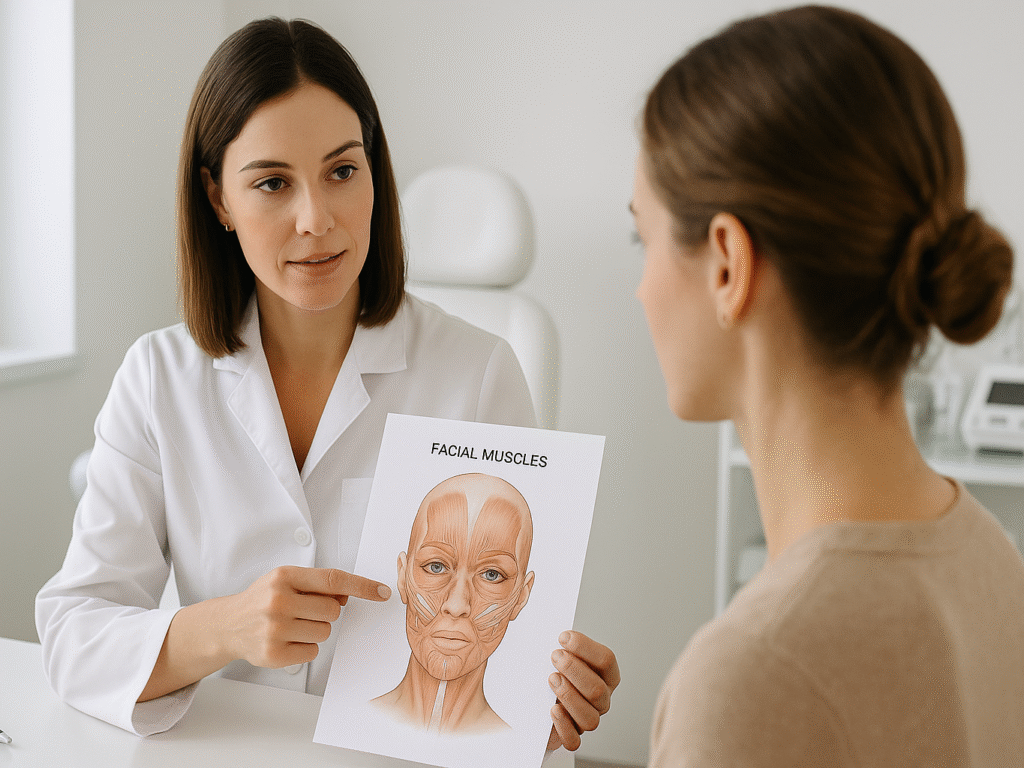
Botox is the brand name for botulinum toxin type A, a purified neurotoxin. It works by temporarily blocking the contraction of facial muscles responsible for expression lines, allowing the skin to appear smoother.
Indications for Botox
Botox is mainly used to reduce dynamic wrinkles—wrinkles that appear when the face moves.
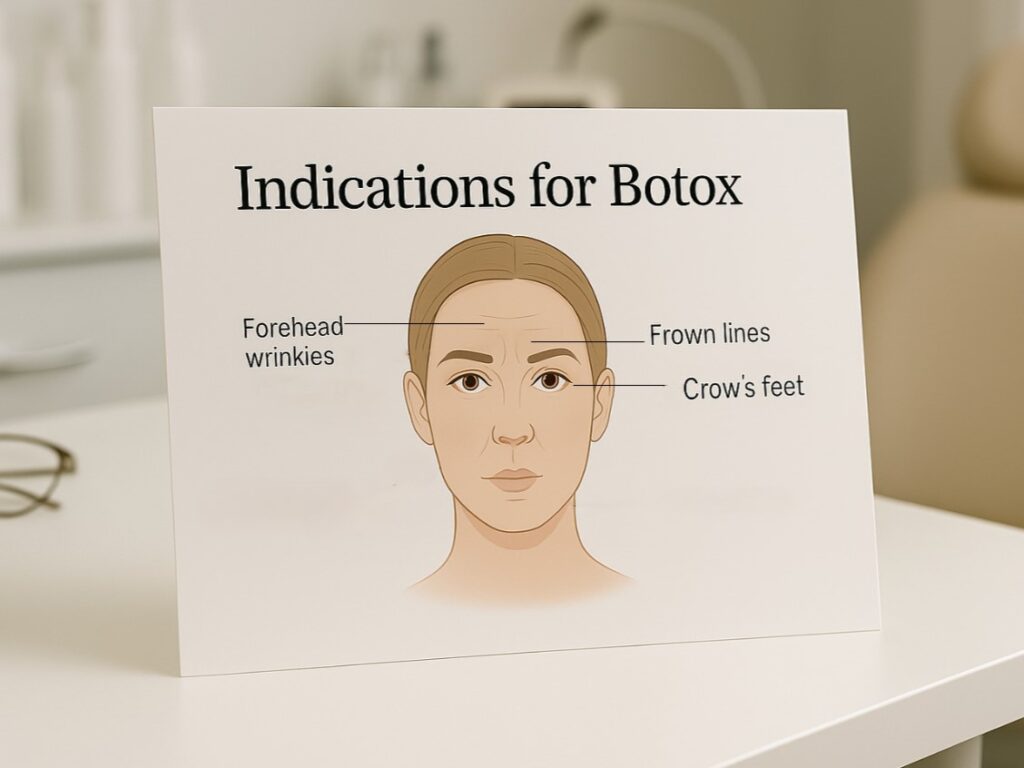
Key treatment areas include:
- Forehead wrinkles (horizontal lines when raising eyebrows)
- Frown lines (vertical lines between the eyebrows)
- Crow’s feet (small wrinkles around the eyes when smiling)
Duration of Botox Results
- Effects appear within 3 to 7 days
- Results last 3 to 6 months
- Maintenance injections are needed to keep the skin smooth
What Are Fillers (Dermal Fillers)?
Fillers are injectable substances designed to add volume or fill hollows in the face.
Most commonly, they are made of hyaluronic acid, a substance naturally found in the skin, or other volumizing agents like calcium hydroxyapatite.
Indications for Fillers
Fillers treat static wrinkles—wrinkles visible even when the face is at rest—and restore lost volume.
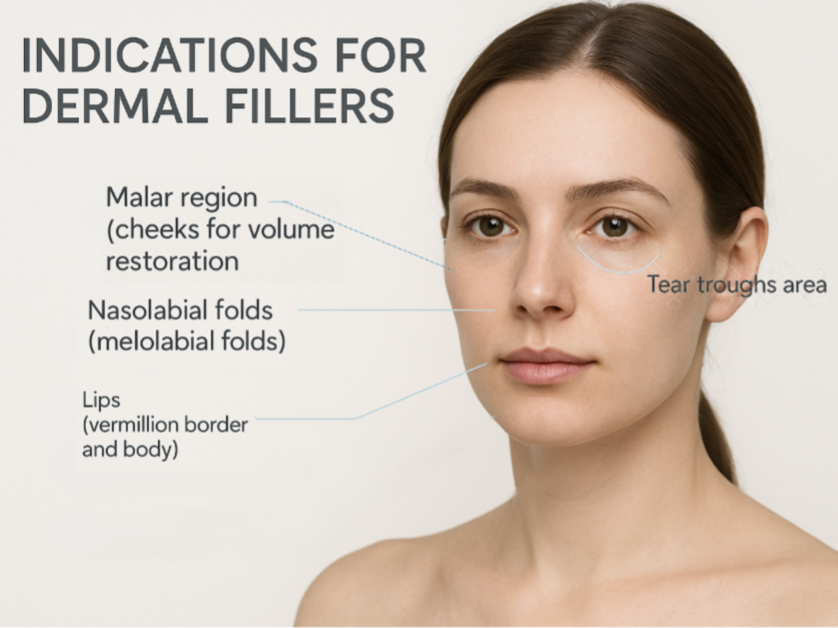
They are used for:
- Filling nasolabial folds (lines from the nose to the mouth)
- Lip augmentation for fuller lips
- Cheekbone and chin reshaping to improve facial harmony
- Reducing hollow dark circles under the eyes
Duration of Filler Results
- Results are visible immediately
- Effects last 6 months to 2 years, depending on the product and area
- Results can be temporary or semi-permanent
Key Differences Between Botox and Fillers
1. Mechanism of Action
- Botox: Temporarily paralyzes muscles to reduce expression lines.
- Fillers: Add volume, fill hollows, and improve facial contours.
2. Treated Areas
- Botox: Dynamic wrinkles (forehead, frown lines, crow’s feet)
- Fillers: Static wrinkles and volume loss (cheeks, chin, lips, dark circles, folds)
3. Duration of Results
- Botox: Lasts 3–6 months
- Fillers: Lasts 6 months–2 years
4. Type of Problem Addressed
- Botox: Best for expression lines caused by repeated muscle movement
- Fillers: Best for volume loss, hollow areas, and enhancements like lip plumping
The Procedure
Botox: Possible Side Effects
Mild and temporary effects may include:
- Redness or swelling at injection site
- Mild headache
- Rarely, slight eyelid drooping if injection is misplaced
Fillers: Possible Side Effects
Temporary effects may include:
- Swelling, redness, or bruising
- Rarely, lumps or nodules if product is poorly distributed
FAQs About Botox and Fillers
1. Is Botox painful?
Botox injections are generally well tolerated with minimal discomfort. Some may feel a slight sting.
2. Can fillers replace Botox?
No. They target different concerns:
- Botox treats dynamic wrinkles
- Fillers treat static wrinkles and add volume
3. Are filler results visible immediately?
Yes. However, mild swelling may temporarily hide the final result.
4. Can Botox and fillers be combined in the same session?
Yes. This combination often gives more balanced, harmonious results.
5. What are the long-term side effects?
Long-term issues are rare:
- Botox: Repeated use may cause slight resistance over time
- Fillers: Regular follow-up ensures safe, healthy-looking results
Conclusion
Botox and fillers are effective anti-aging treatments but address different issues.
- Choose Botox for expression lines
- Choose fillers for restoring volume and treating static wrinkles
A consultation with a qualified cosmetic doctor is essential to determine the best option for your facial needs.
