

Dark spots on the back are a common skin concern faced by people of all ages. Whether it is a big dark spot on back, multiple black marks on back of body, or itchy brown patches, these changes in skin colour can often cause worry and discomfort. While most dark spots on the back are harmless, in some cases they may signal underlying skin or hormonal conditions that require medical attention.
Understanding the causes, symptoms, and available treatments can help you manage dark spots on your back effectively and prevent future occurrences.
What Is a Dark Spot on the Back?
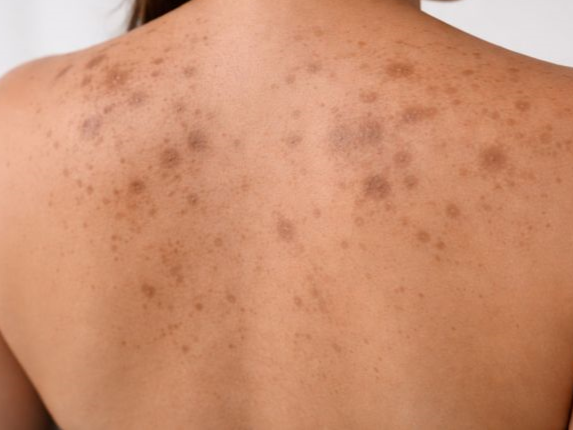
A dark spot on back refers to an area of skin that appears darker than the surrounding skin. These spots can range from light brown to deep black and may appear as flat patches, slightly raised areas, or large irregular marks. Some people notice a big dark spot on back developing gradually, while others may experience clusters of black marks on back of body that spread over time.
The colour change is usually due to excess melanin, the pigment responsible for skin colour. Increased melanin production can occur due to sun exposure, inflammation, infections, hormonal changes, or metabolic conditions.
Common Causes of Dark Spots on the Back
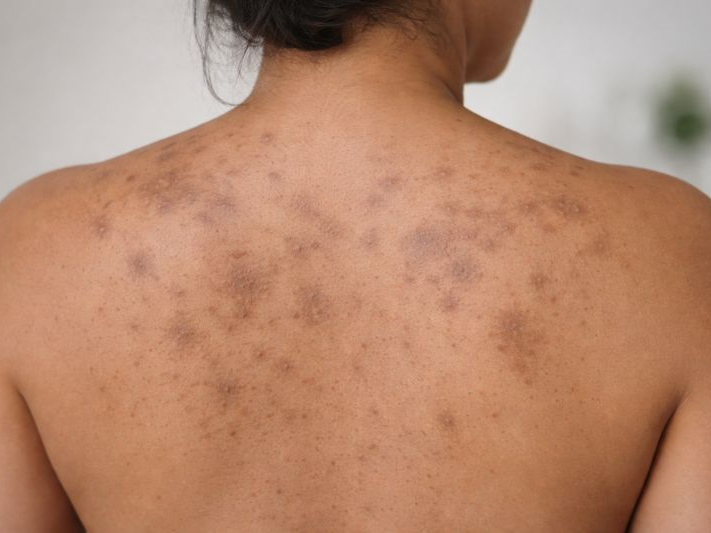
1. Sun Exposure and Hyperpigmentation
One of the most common causes of dark spots on the back is prolonged sun exposure. Ultraviolet (UV) rays stimulate melanin production, leading to uneven pigmentation. Since the back is often exposed during outdoor activities, black marks on back of body caused by sun damage are quite common.
Past sunburns can also leave behind dark patches that appear months or even years later. This condition is known as sun-induced hyperpigmentation.
2. Fungal Infections (Pityriasis Versicolor)
Pityriasis versicolor is a common fungal infection that causes brown, white, or dark spots on the back. These spots may itch mildly and often have a fine, powdery scale. Warm weather, humidity, excessive sweating, and oily skin can encourage fungal overgrowth.
In such cases, people often complain of itchy dark spots on back that become more noticeable after sweating or sun exposure.
3. Post-Inflammatory Hyperpigmentation
Post-inflammatory hyperpigmentation occurs after the skin heals from acne, insect bites, rashes, or allergic reactions. The healing process can trigger excess melanin production, resulting in dark spot on back or scattered black marks on back of body.
This condition is more common in individuals with naturally darker skin tones.
4. Hormonal Imbalances
Hormonal changes can significantly impact skin pigmentation. Conditions such as thyroid disorders, insulin resistance, and hormonal fluctuations during pregnancy or medication use can lead to dark patches on the back.
A condition called acanthosis nigricans causes thick, velvety, dark brown to black patches, often appearing as a big dark spot on back, especially near skin folds. This condition is commonly associated with insulin resistance.
5. Seborrheic Dermatitis
Seborrheic dermatitis is a chronic inflammatory skin condition affecting oily areas of the body. It can cause reddish-brown or dark patches on the back, often accompanied by itching and scaling. Stress, fatigue, and hormonal changes may worsen this condition.
Symptoms Associated With Dark Spots on the Back
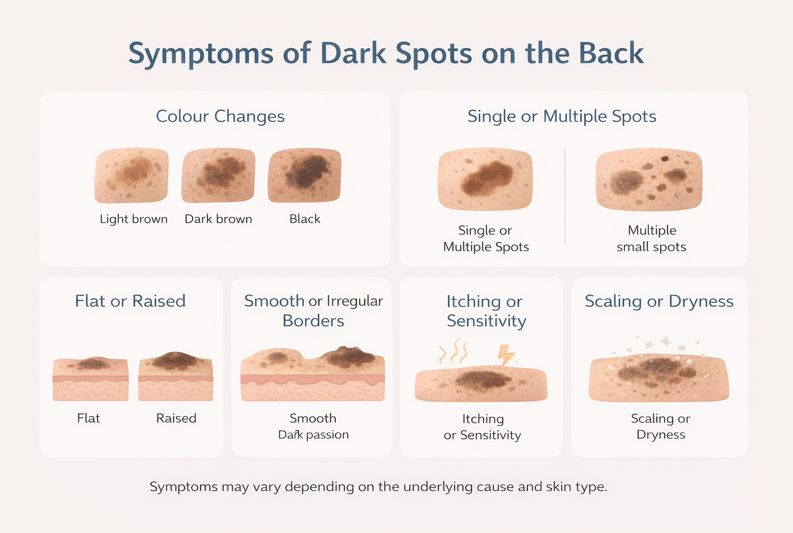
Dark spots on the back can present with different characteristics, such as:
- Light brown, dark brown, or black colour
- Flat or slightly raised patches
- Single big dark spot on back or multiple smaller spots
- Smooth or irregular borders
- Mild itching, burning, or sensitivity
- Scaling or dryness in fungal infections
Some spots remain stable over time, while others may increase in size or spread to nearby areas like the chest, neck, or shoulders.
When Should You Be Concerned?
Although most dark spots are benign, medical evaluation is necessary if you notice:
- Rapid growth or colour change
- Irregular or blurred borders
- Persistent itching or pain
- Bleeding or crusting
- Sudden appearance of multiple black marks
Early diagnosis ensures timely treatment and rules out serious conditions.
Diagnosis of Dark Spots on the Back
A dermatologist plays a crucial role in accurately diagnosing dark spots on the back. Since these spots can have multiple causes, proper evaluation helps ensure the most effective treatment plan.
Medical History and Physical Examination
The doctor carefully examines the size, colour, texture, and distribution of the dark spots. They also ask about sun exposure, medications, skincare products, lifestyle habits, existing medical conditions, and family history to identify possible triggers.
Wood’s Lamp Examination
This special ultraviolet light is used to detect pigmentation disorders and fungal infections. It helps highlight changes in the skin that may not be clearly visible under normal lighting.
Skin Scraping Test
If a fungal infection is suspected, a small sample of skin is gently scraped and examined under a microscope to confirm the presence of fungus.
Skin Biopsy
In rare cases, a skin biopsy may be recommended. A small sample of skin is taken and analyzed to study skin cells closely and confirm the diagnosis.
Blood Tests
Blood tests may be advised if hormonal imbalances, nutritional deficiencies, or metabolic conditions are suspected as underlying causes of dark spots.
Effective Treatment Options for Dark Spots on Back
Treatment depends entirely on the underlying cause.
1. Antifungal Treatment
For fungal infections:
- Antifungal creams and lotions
- Medicated shampoos
- Oral antifungal medications for severe cases
2. Topical Depigmenting Agents
For pigmentation and post-inflammatory spots:
- Azelaic acid
- Kojic acid
- Vitamin C
- Niacinamide
- Dermatologist-prescribed creams
These help lighten black marks on back of body gradually.
3. Hormonal and Metabolic Management
If dark spots are caused by insulin resistance or thyroid imbalance, managing the underlying condition improves skin appearance significantly.
4. Advanced Dermatological Procedures
For stubborn or long-standing pigmentation:
- Chemical peels
- Laser therapy
- Intense Pulsed Light (IPL) treatments
These procedures must be performed by trained dermatologists.
Prevention Tips to Avoid Dark Spots on the Back

Preventing dark spots is easier than treating them. Follow these steps:
Sun Protection
- Use broad-spectrum sunscreen daily
- Reapply if exposed to sunlight for long durations
- Wear protective clothing
Maintain Skin Hygiene
- Dry your back thoroughly after bathing
- Avoid staying in sweaty clothes
- Choose breathable fabrics
Healthy Diet
Consume foods rich in:
- Vitamin A, C, and E
- Zinc and selenium
- Antioxidants
These nutrients support healthy skin and prevent pigmentation.
Regular Skin Checks
Early detection of changes in skin colour or texture improves treatment success.
Final Thoughts
A dark spot on back, whether small or large, is usually treatable once the underlying cause is identified. From sun exposure and fungal infections to hormonal imbalances, several factors can contribute to black marks on back of body. Ignoring persistent or changing spots may delay diagnosis and treatment.Consulting a qualified dermatologist, following a proper skincare routine, and adopting preventive measures can help you maintain clear and healthy skin. If you notice a big dark spot on back or recurring pigmentation, timely medical advice is always the best step forward.
