

Experiencing a constant bad taste in mouth — whether metallic, bitter, sour, foul, or rancid — can be frustrating and affect appetite, confidence, and daily life. Medically known as dysgeusia (altered taste), this persistent symptom often signals an underlying issue rather than a temporary aftertaste from food.
If you’re dealing with an ongoing unpleasant flavor that brushing or rinsing doesn’t resolve, this guide covers the most common causes, accompanying symptoms, home remedies, and when to seek professional help.
Common Causes of Constant Bad Taste in Mouth
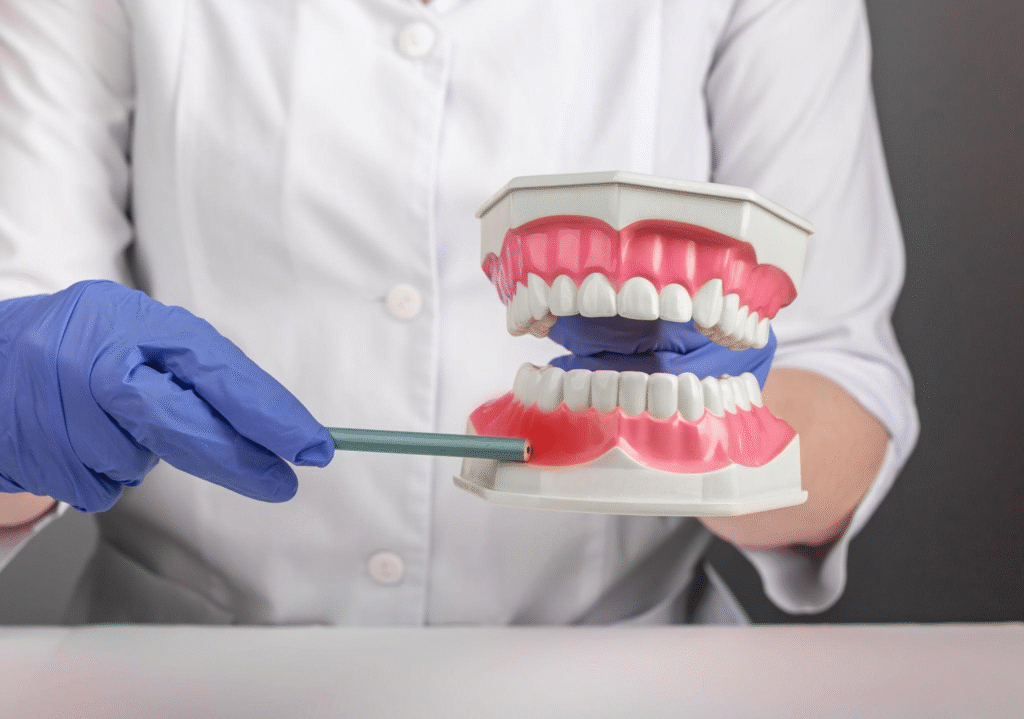
Several factors can disrupt normal taste perception or introduce unpleasant compounds into the mouth:
1. Poor Oral Hygiene and Dental Problems
Bacteria buildup from inadequate brushing, flossing, or tongue cleaning produces foul byproducts. This leads to:
- Cavities and tooth decay
- Gum disease (gingivitis or periodontitis)
- Dental abscesses or infections
These are among the top causes of persistent bad taste and bad breath.
2. Dry Mouth (Xerostomia)
Reduced saliva flow allows bacteria and debris to accumulate. Causes include medications, dehydration, aging, or conditions like diabetes. Saliva normally washes away particles and neutralizes acids.
3. Oral Infections
- Oral thrush (Candida yeast overgrowth): White patches, burning, and a cottony or metallic taste. Common in those with weakened immunity, dentures, or on antibiotics.
- Respiratory infections or sinus issues: Postnasal drip or inflammation alters taste.
4. Acid Reflux (GERD)
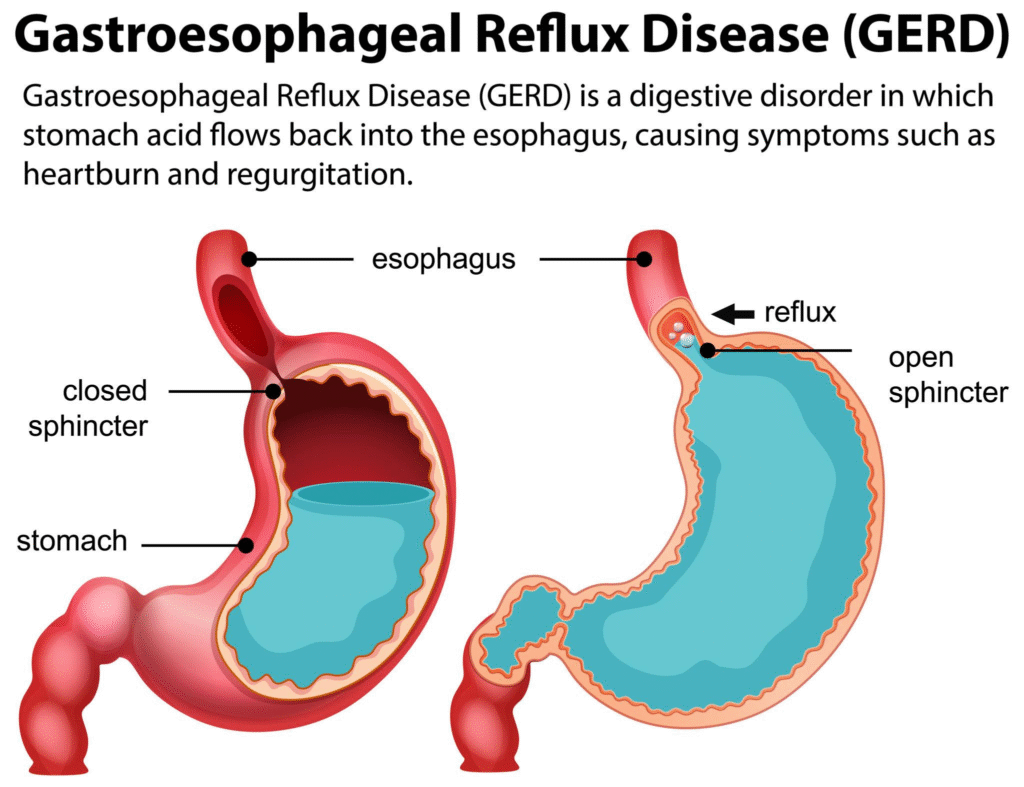
Stomach acid backing up into the esophagus and mouth creates a sour or bitter taste, often worse in the morning or after meals.
5. Medications and Treatments
Hundreds of drugs, including antibiotics, antidepressants, blood pressure meds, chemotherapy, and even some supplements (iron, zinc), can cause metallic or bitter dysgeusia.
6. Other Factors
- Pregnancy (hormonal changes, often in the first trimester)
- Smoking or tobacco use
- Vitamin/mineral deficiencies (e.g., zinc)
- Neurological issues or aging
- Rarely: More serious conditions like diabetes or certain cancers
Symptoms That Often Accompany Bad Taste
- Persistent foul, metallic, bitter, or sour flavor regardless of what you eat
- Bad breath (halitosis)
- Dry or sticky mouth
- White patches, redness, or swelling in the mouth
- Reduced appetite or weight loss
- Tooth pain, sensitivity, or bleeding gums
If the taste changes suddenly or includes other symptoms like fever, swelling, or difficulty swallowing, seek care promptly.
Home Remedies and Self-Care Tips
While addressing the root cause is essential, these steps can provide temporary relief:
- Improve oral hygiene — Brush twice daily (including tongue), floss once, and use an antibacterial mouthwash.
- Stay hydrated — Drink plenty of water; chew sugar-free gum to stimulate saliva.
- Rinse with saltwater or baking soda solution — Helps neutralize acids and reduce bacteria.
- Avoid triggers — Limit spicy/acidic foods, alcohol, and tobacco.
- Diet adjustments — Eat fresh fruits/vegetables; try citrus or pineapple to stimulate saliva (if not acidic-sensitive).
- Over-the-counter aids — Saliva substitutes or lozenges for dry mouth.
These measures help but won’t fix infections, reflux, or medication side effects.
Professional Treatments
Visit a dentist or doctor for diagnosis (exam, possible X-rays, or tests):
- Dental cleaning and treatment — Scaling for gum disease, fillings for cavities, or root canal/abscess drainage.
- Medications — Antifungals for thrush, antibiotics for bacterial infections, or antacids/PPI for reflux.
- Medication review — Doctor may adjust or switch drugs causing dysgeusia.
- Specialist referral — For persistent cases (ENT, gastroenterologist, or neurologist).
Most causes are treatable, and taste often returns to normal once resolved.
Prevention Strategies
- Maintain excellent daily oral care and schedule regular dental check-ups (every 6 months).
- Stay hydrated and manage dry mouth proactively.
- Control acid reflux with diet/lifestyle changes (elevate head while sleeping, avoid late meals).
- Quit smoking and limit alcohol.
- Discuss side effects with your doctor before starting new medications.
- Eat a balanced diet rich in zinc and other nutrients.
When to See a Professional
Seek help if the bad taste:
- Lasts more than a week or two despite good hygiene.
- Worsens or interferes with eating/nutrition.
- Occurs with pain, swelling, white patches, or systemic symptoms (fever, fatigue).
- Starts after beginning a new medication or treatment.
A constant bad taste in mouth is rarely “normal” and often fixable with the right intervention. Don’t ignore it — early action can prevent complications and restore your sense of taste and enjoyment of food.
This article is for informational purposes only and does not replace professional medical or dental advice. Consult a qualified healthcare provider for diagnosis and personalized treatment.
