

Seeing a white line on the inside of your cheeks can be worrying, but it’s usually nothing serious. Linea Alba is a common, benign thickened strip of tissue that forms from chronic mild friction between your teeth and the inner cheek. It appears as a pale or white horizontal line and is often more noticeable when you stretch your cheek or first wake up.
Most people want to know how to get rid of Linea Alba because it can feel irritating when bitten or simply looks unattractive. The good news is that treatment is straightforward and focuses on removing the source of friction rather than the white line itself. With consistent effort, many people see significant improvement or complete resolution.
For a full explanation of what Linea Alba is, its appearance, and when it’s harmless, check our pillar article: White Line Inside Cheeks: Linea Alba Explained.
Can You Actually Get Rid of Linea Alba?
Yes, in many cases you can reduce or completely eliminate Linea Alba. Success depends on identifying and addressing the underlying cause of the friction. Some people notice the line fade or disappear entirely within weeks to months, while others see meaningful improvement even if a faint line remains.
If the cause (such as grinding or a poor bite) is corrected, the thickened tissue often softens and becomes less prominent over time. Consistency is key — results are gradual because the tissue needs time to heal and adapt.
What’s Preventing Your Linea Alba from Healing?
Linea Alba persists when ongoing friction continues to irritate the cheek tissue. The most common ongoing triggers include:
- Teeth grinding (bruxism) or jaw clenching, especially at night
- Habitual cheek biting or sucking
- Sharp or rough teeth, broken edges, or irritating dental work
- Poor bite alignment (malocclusion) that causes uneven pressure
Once these factors are minimized, the white line has a much better chance of improving.
The Best Ways to Get Rid of Linea Alba
The most effective approach targets the root cause of friction. Here are proven strategies:
Wear a Custom Night Guard
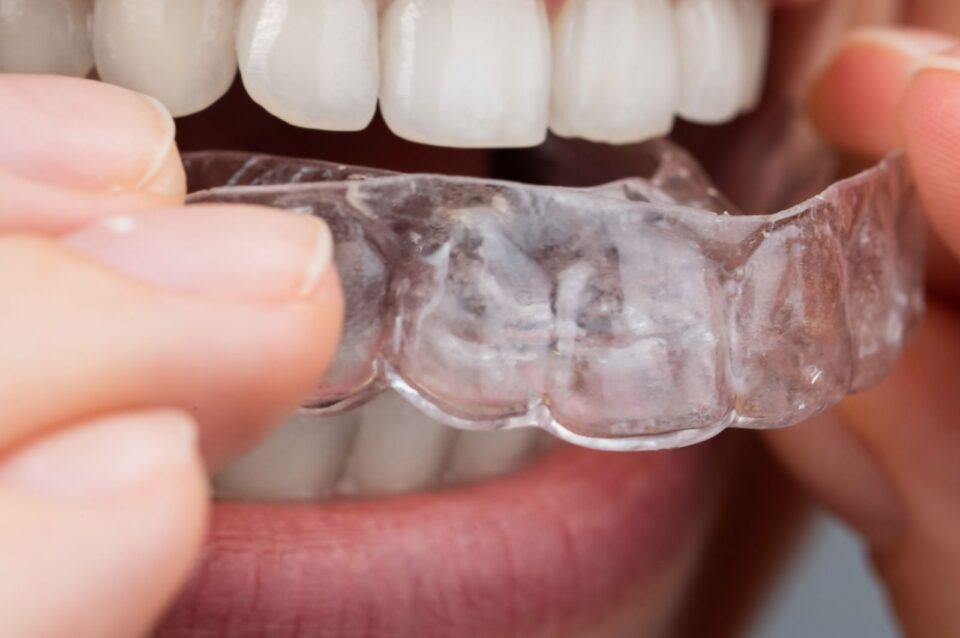
If you grind or clench your teeth, a dentist-made night guard is often the single most effective solution. It creates a protective barrier between your teeth and cheeks, reducing pressure and allowing the tissue to heal. Most patients notice reduced irritation within a few weeks and a smoother cheek lining over 1–3 months.
Stop Cheek Biting
Be mindful of unconscious cheek chewing, especially when stressed or concentrating. Try stress-relief techniques like deep breathing, mindfulness apps, or chewing sugar-free gum as a substitute habit. Some people benefit from a brief awareness journal or reminders on their phone.
Correct Bite Problems
An uneven bite is a frequent contributor. Your dentist may recommend:
- Selective bite adjustment (reshaping small areas of teeth)
- Orthodontic treatment (braces or clear aligners)
- Replacing missing teeth or old restorations to restore proper alignment
Smooth Sharp Teeth or Dental Work
Rough fillings, chipped teeth, or irritating crowns can constantly rub the cheek. A quick visit to your dentist for polishing or replacement often provides fast relief.
Reduce Teeth Grinding
Beyond a night guard, manage contributing factors:
- Stress reduction through exercise, meditation, or therapy
- Jaw relaxation exercises before bed
- Avoiding caffeine and alcohol in the evening
- Good sleep hygiene
Keep Your Mouth Healthy
Support healing with:
- Gentle oral hygiene using a soft toothbrush
- Staying well hydrated
- Using saliva substitutes or dry-mouth products if needed
- Avoiding irritating foods (spicy, acidic, or very crunchy)
Home Remedies for Linea Alba: Do They Work?
Some home remedies can soothe irritation but won’t remove the white line itself:
- Saltwater rinses — Help reduce mild inflammation and promote healing.
- Aloe vera gel or coconut oil — May provide temporary soothing.
- Vitamin supplements (especially B vitamins or zinc) — Helpful only if you have a deficiency.
Mouthwashes, whitening toothpaste, or scraping the line are generally not effective and can cause more irritation. Focus on reducing friction instead of treating the line directly.
Treatments That Don’t Usually Remove Linea Alba
Antibiotics, antifungal medications, oral gels, creams, or whitening products typically do not help because Linea Alba is not an infection or stain. Scraping or attempting to “rub it off” can worsen the tissue. These approaches waste time and may cause unnecessary discomfort.
How Long Does It Take for Linea Alba to Go Away?
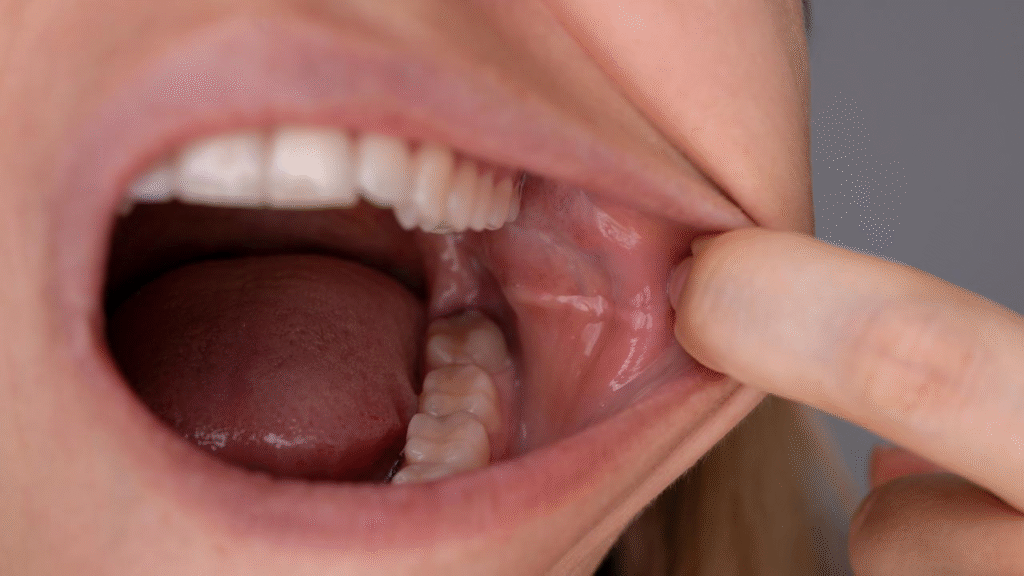
- Mild cases — Improvement in 2–6 weeks once friction is reduced.
- Moderate to persistent cases — 2–6 months with consistent treatment (e.g., night guard + bite correction).
- If the cause isn’t addressed — The line may stay the same or slowly worsen.
Patience and consistency deliver the best results.
When should I seek treatment because it’s not improving?
Schedule a visit if:
- The white line is painful, bleeding, or ulcerated
- It changes rapidly in size or appearance
- You have difficulty opening your mouth, swelling, or other new symptoms
- Home efforts show no improvement after 4–6 weeks
A dentist can confirm the diagnosis and create a targeted treatment plan.
Frequently Asked Questions
Does Linea Alba always come back?
It can return if the underlying friction (grinding, biting, or bite issues) resumes. Consistent prevention keeps it at bay.
Can I remove Linea Alba permanently?
In many cases yes — once the source of friction is corrected, the line often fades permanently or becomes barely noticeable.
Can I treat Linea Alba at home?
You can reduce irritation and support healing at home, but professional help is usually needed for significant or persistent cases.
Does a night guard really help?
Yes — for most people with bruxism or clenching, a custom night guard is one of the most effective treatments.
Can stress make Linea Alba worse?
Absolutely. Stress often increases clenching and cheek biting, making the line more prominent.
Is surgery ever needed?
Rarely. Minor surgical smoothing is only considered in very stubborn cosmetic cases after all other options have been tried.
Key Takeaways
- Linea Alba is usually harmless and caused by friction from your teeth.
- Treatment focuses on eliminating the source of pressure rather than the white line itself.
- Most people see good improvement once bruxism, bite issues, or habits are addressed.
- Persistent, painful, or changing lesions should always be evaluated by a dentist.
If the white line inside your cheeks is bothering you, start with a dental visit. Identifying and fixing the cause is the fastest way to smoother, more comfortable cheeks.
This article is for informational purposes only and does not replace professional dental advice. Always consult a qualified dentist for diagnosis and treatment.
