

Upper teeth pain during a cold or flu is a very common but often misunderstood symptom. Many people suddenly feel aching, pressure, or throbbing in their upper back teeth while dealing with nasal congestion, cough, or fever. In most cases, this isn’t a true tooth problem — it’s referred pain from inflamed sinuses.
This guide explains the connection, how to differentiate it from real dental issues, and the best ways to find relief.
Why Upper Teeth Hurt During a Cold or Flu
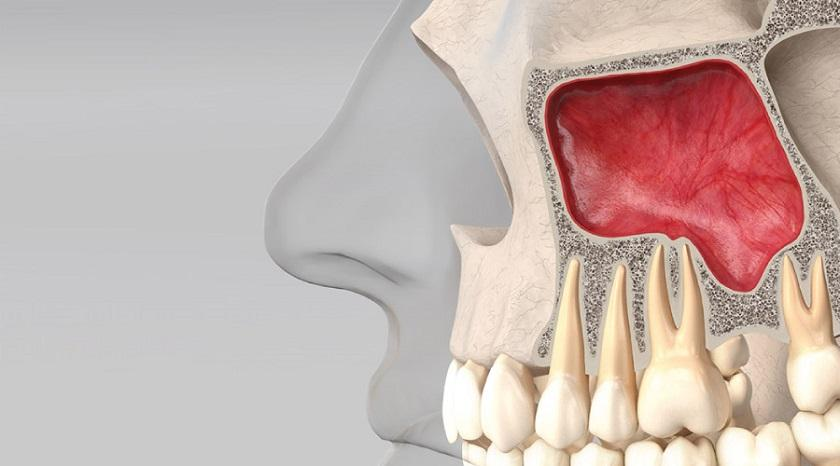
The roots of your upper molars and premolars sit right below the maxillary sinuses (the large sinus cavities in your cheekbones). When you catch a cold or flu:
- The sinuses become swollen and filled with mucus.
- This buildup creates pressure on the nerves that also supply the upper teeth.
- The result is pain that feels exactly like a toothache, even though the teeth themselves are healthy.
This is called sinusitis-related tooth pain and is especially common with viral upper respiratory infections.
Common Causes
- Viral sinus congestion from cold or flu viruses
- Acute sinusitis (inflammation that can become bacterial)
- Postnasal drip irritating shared nerve pathways
- Dehydration and dry mouth during illness, increasing tooth sensitivity
- Jaw clenching due to discomfort or mouth breathing
Important: If the pain is sharp, localized to one tooth, worsens when biting down, or lingers long after other symptoms disappear, it may be a genuine dental issue (cavity, abscess, or cracked tooth) that the illness has made noticeable.
Typical Symptoms
- Aching or pressure-like pain in the upper teeth (usually multiple teeth on one or both sides)
- Pain that increases when you bend forward, lie down, or jump
- Facial tenderness over the cheeks or under the eyes
- Nasal congestion, headache, runny nose, or reduced sense of smell
- Pain that improves as sinus drainage improves
Home Remedies for Upper Teeth Pain During Illness
- Hydration — Drink plenty of water, herbal tea, and clear broths to thin mucus.
- Saline nasal irrigation — Use a neti pot, saline spray, or rinse to clear sinuses.
- Warm compress — Apply to the cheeks and sinus area for 10–15 minutes several times a day.
- Decongestants — Over-the-counter options like pseudoephedrine can reduce swelling (check with a pharmacist if you have other health conditions).
- Pain relief — Ibuprofen (Advil) or acetaminophen (Tylenol) help reduce both pain and inflammation.
- Humidifier or steam — Moist air eases congestion and dry mouth.
- Elevate your head while sleeping to promote drainage.
Avoid very cold or hot drinks that can heighten tooth sensitivity during illness.
When to Seek Professional Help
See a doctor or dentist if:
- Tooth pain is severe or limited to a single tooth
- Pain persists more than 7–10 days after other cold/flu symptoms resolve
- You develop high fever, facial swelling, or vision changes
- There is pus, bad taste, or swelling around the gums
- You have a history of dental problems
A dentist can take X-rays to rule out actual tooth infection, while a doctor may prescribe antibiotics if a bacterial sinus infection is present.
Prevention Tips During Cold and Flu Season
- Wash hands frequently and get your annual flu shot
- Manage allergies that can contribute to sinus issues
- Stay hydrated and use a humidifier in dry indoor air
- Maintain good oral hygiene even when you’re sick
- Address chronic sinus problems with an ENT specialist if they recur often
Key Takeaway
Upper teeth pain during a cold or flu is usually temporary and caused by sinus pressure rather than damaged teeth. Once the congestion clears, the pain typically goes away on its own. However, lingering or one-sided pain should always be evaluated to rule out a dental cause.
If you’re currently experiencing this, focus on sinus relief and rest. Most people feel much better within a few days as the illness runs its course.
This article is for informational purposes only and does not replace professional medical or dental advice. Consult a qualified dentist or doctor for diagnosis and treatment.
