

Hearing your jaw clicks on one side only can be concerning and annoying. You may notice a popping, clicking, or snapping sound when you open your mouth wide, chew, yawn, or speak. This one-sided clicking is a common symptom of temporomandibular joint (TMJ) dysfunction and often affects just the left or right side due to uneven stress or misalignment.
While occasional clicking may not be serious, persistent or painful one-sided jaw clicking deserves attention. This guide explains the most common causes and what you can do about it.
Why Does My Jaw Click on One Side Only?
The temporomandibular joint (TMJ) acts like a hinge that connects your jawbone to your skull. A small cartilage disc cushions the joint. When this disc slips out of place or the joint becomes inflamed, it can produce clicking sounds — especially when the issue is more pronounced on one side.
Common Causes of One-Sided Jaw Clicking
1. TMJ Disorder (TMD)
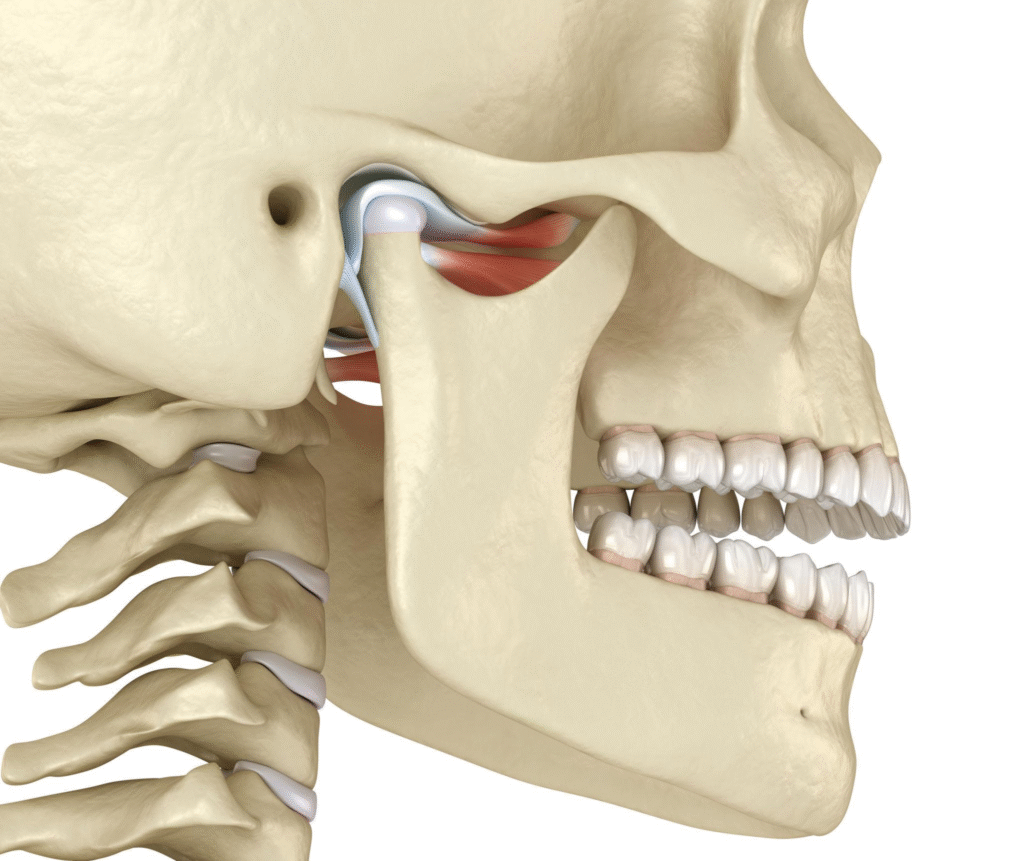
The leading cause. Muscle imbalance, inflammation, or disc displacement in the joint can cause clicking isolated to one side. It often develops gradually due to habits or stress.
2. Jaw Disc Displacement
The cushioning disc inside the TMJ can slip forward or backward. When it reduces (pops back into place) during movement, you hear a click. This frequently affects only one side.
3. Teeth Grinding or Clenching (Bruxism)
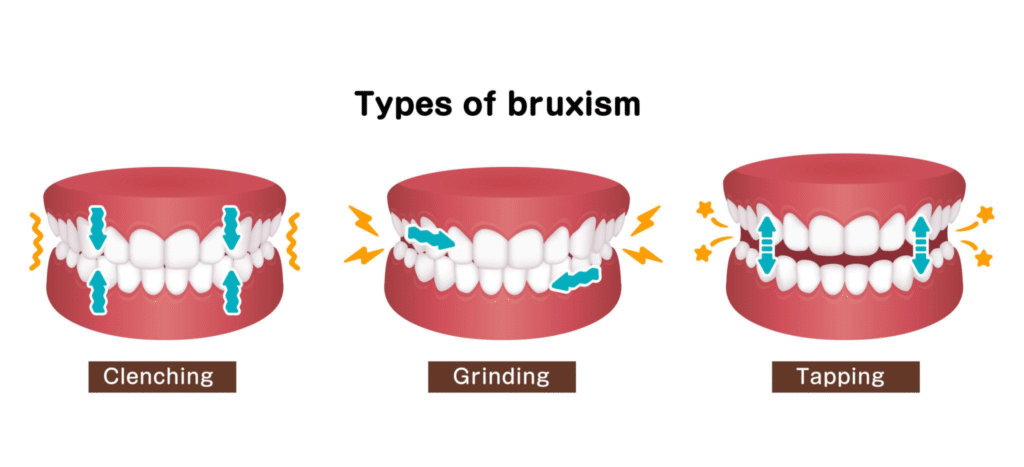
Constant grinding, especially at night, puts uneven pressure on one side of the jaw, leading to joint strain and clicking.
4. Misaligned Bite (Malocclusion)
Crooked teeth, missing teeth, or uneven dental work can cause your jaw to track improperly, resulting in one-sided clicking.
5. Injury or Trauma
A blow to the jaw, whiplash from an accident, or even prolonged dental procedures can damage the joint on one side.
6. Arthritis or Joint Degeneration
Osteoarthritis or inflammatory arthritis can affect the TMJ, causing stiffness and clicking, often more noticeable on one side.
7. Stress and Muscle Tension
Chronic stress leads to unconscious clenching, which tightens jaw muscles unevenly and triggers clicking.
Associated Symptoms
- Clicking or popping sound when opening or closing the mouth
- Pain or tenderness in the jaw, face, ear, or temple on the affected side
- Difficulty chewing or jaw locking
- Headaches or earaches
- Stiffness, especially in the morning
- Sore or tired jaw muscles
Home Remedies for Relief
Try these conservative approaches first:
- Rest the jaw — Eat soft foods and avoid wide yawning or gum chewing.
- Apply warm or cold compress — Alternate 10–15 minutes to reduce inflammation.
- Gentle jaw stretches and exercises — Follow a dentist-recommended routine to improve mobility.
- Stress management — Practice relaxation techniques, meditation, or yoga.
- Over-the-counter pain relief — Ibuprofen or naproxen can help with pain and swelling.
- Posture improvement — Maintain good head and neck posture.
Professional Treatments
If clicking persists or is painful, see a dentist or TMJ specialist. Treatment options include:
- Custom-fitted nightguard or splint to reduce grinding and stabilize the jaw
- Dental adjustments or orthodontics to correct bite issues
- Physical therapy for jaw muscles and joint
- Anti-inflammatory medications or muscle relaxants
- Injections (corticosteroids or Botox) for severe cases
- Rarely, surgery for significant disc problems or joint damage
Most people improve significantly with non-invasive treatments.
Prevention Tips
- Avoid chewing gum or hard foods excessively.
- Wear a nightguard if you grind your teeth.
- Practice good posture and jaw relaxation habits.
- Manage stress effectively.
- Get regular dental check-ups to maintain proper bite alignment.
- Address teeth grinding or clenching early.
When to See a Dentist or Specialist
Consult a professional if:
- Jaw clicking on one side lasts more than a few weeks.
- Clicking is accompanied by pain, locking, or limited movement.
- You have difficulty opening your mouth fully.
- Pain spreads to the ear, head, or neck.
- The clicking started after an injury.
Jaw clicks on one side only is often an early warning sign of TMJ dysfunction. While it may seem minor at first, addressing it promptly can prevent worsening pain, headaches, and long-term joint damage.
Don’t ignore persistent one-sided jaw clicking. A dentist experienced in TMJ issues can provide a proper diagnosis and effective treatment plan for lasting relief.
This article is for informational purposes only and does not replace professional medical or dental advice. Always consult a qualified dentist or TMJ specialist for diagnosis and treatment.
