

Random tooth pain that comes and goes is one of the most frustrating dental symptoms. One moment you feel fine, and the next you experience sharp, throbbing, or shooting pain in a specific tooth or area — only for it to disappear for hours or days. This intermittent pain is often a warning sign of an underly/;.ing issue that can worsen if ignored.
Also known as transient or episodic tooth pain, this condition rarely resolves on its own. This guide covers the most common causes, associated symptoms, relief options, and when you need professional care.
Common Causes of Random Tooth Pain That Comes and Goes
1. Cracked Tooth Syndromel
A hairline crack in the tooth (often invisible to the naked eye) allows pressure, temperature changes, or biting to irritate the nerve. Pain typically occurs when chewing or releasing pressure and then fades quickly.
2. Early Tooth Decay or Reversible Pulpitis
Bacteria reaching the inner layers of the tooth cause inflammation of the pulp (nerve). In the early stage, the pain is intermittent and triggered by sweet, cold, or hot foods before it becomes constant.
3. Loose or Leaking Fillings/Crowns
Old restorations can develop tiny gaps, allowing bacteria and fluids to reach the nerve. Pain flares up randomly and then settles until the next trigger.
4. Gum Disease and Periodontal Issues
Inflammation or infection around the tooth roots can cause random aching or sharp pain, especially if pockets trap food and bacteria.
5. Bruxism (Teeth Grinding or Clenching)
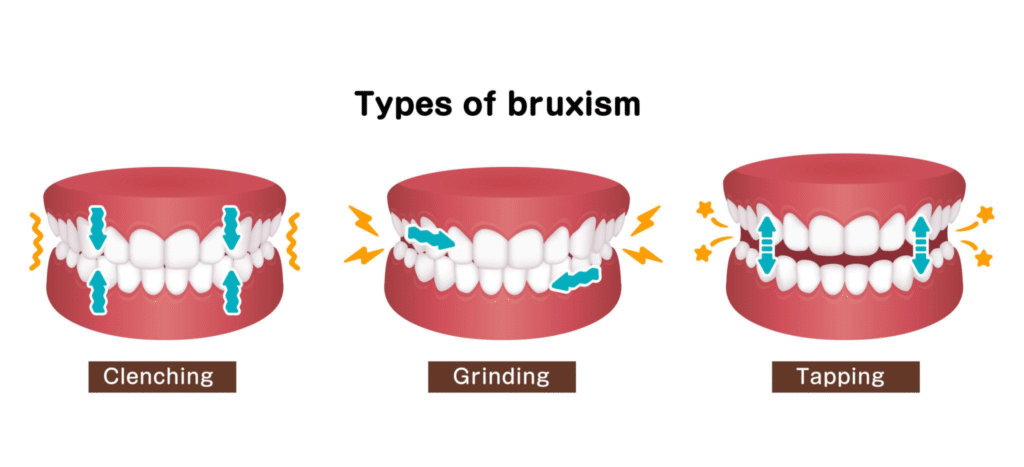
Nighttime grinding puts stress on teeth and jaw muscles, leading to sporadic pain that may feel random during the day.
6. Sinus Problems
Upper back teeth often share nerves with the sinuses. Sinus infections or allergies can cause referred pain that comes and goes with congestion or pressure changes.
7. Impacted Wisdom Teeth
Partially erupted or impacted wisdom teeth frequently cause intermittent pain, swelling, and discomfort as they push against neighboring teeth.
8. Other Causes
- Tooth sensitivity from enamel wear or gum recession
- Trigeminal neuralgia (intense, electric-shock-like pain)
- Recent dental work or trauma
Typical Symptoms
- Sharp, shooting, throbbing, or dull pain in one or more teeth
- Pain triggered by biting, chewing, temperature changes, or sweets
- Discomfort that appears suddenly and disappears without obvious reason
- Sensitivity that comes and goes
- Occasional jaw pain or headache
The unpredictable nature often leads people to delay treatment — but intermittent pain usually means the problem is still in an early, more treatable stage.
Home Remedies for Temporary Relief

While waiting for a dental appointment, you can manage symptoms with:
- Over-the-counter pain relievers (ibuprofen or acetaminophen)
- Desensitizing toothpaste used twice daily
- Warm saltwater rinses to reduce inflammation
- Avoid extreme temperatures, sweets, and hard foods
- Soft diet and gentle chewing on the opposite side
- Nightguard if you suspect grinding
These measures only mask the pain — they do not cure the cause.
Professional Treatments
A dentist will usually perform a thorough exam, take X-rays, and use bite tests to locate the source. Treatment depends on the diagnosis:
- Dental filling or bonding — for cracks or decay
- Crown — to protect a cracked or weakened tooth
- Root canal therapy — if the nerve is irreversibly inflamed or infected
- Scaling and root planing — for gum disease
- Tooth extraction — in severe cases (e.g., non-restorable tooth or problematic wisdom tooth)
- Sinus treatment or referral if referred pain is suspected
Early intervention often saves the tooth and prevents the pain from becoming constant or leading to an abscess.
Prevention Tips
- Maintain excellent oral hygiene: brush twice daily, floss once a day, and use an antibacterial mouthwash.
- Visit your dentist every 6 months for check-ups and cleanings.
- Wear a custom nightguard if you grind your teeth.
- Address teeth sensitivity and gum recession early.
- Limit sugary and acidic foods.
- Treat sinus issues and allergies promptly.
When to See a Dentist
Don’t wait for the pain to become constant. Book an appointment if you have:
- Random tooth pain lasting more than a few days
- Pain that interferes with eating or sleeping
- Sensitivity that keeps returning
- Swelling, bad taste, or fever (signs of infection)
- Any visible crack, darkening, or hole in the tooth
Random tooth pain that comes and goes is your tooth’s way of signaling a problem that needs attention. Ignoring it often leads to more intense pain, bigger procedures, and higher costs.
Schedule a dental visit soon — most causes are highly treatable when caught during the intermittent stage. A proper diagnosis will bring lasting relief and protect your long-term oral health.
This article is for informational purposes only and does not replace professional dental advice. Always consult a qualified dentist for diagnosis and treatment.
