

A sore spot behind front teeth — often on the roof of the mouth (hard palate) just behind the upper incisors — is a common complaint. This area, known as the incisive papilla, is a small fleshy bump rich in nerves and blood vessels. Irritation here can cause tenderness, swelling, or sharp discomfort that interferes with eating, speaking, or even closing your mouth comfortably.
While usually harmless and self-resolving, a persistent sore spot may signal an underlying issue. This SEO-optimized guide explores the most common causes, symptoms, home remedies, and professional treatments.
What Causes a Sore Spot Behind Front Teeth?
The hard palate behind the upper front teeth is vulnerable to trauma, infection, and irritation. Key causes include:
1. Trauma or Burns (“Pizza Palate”)
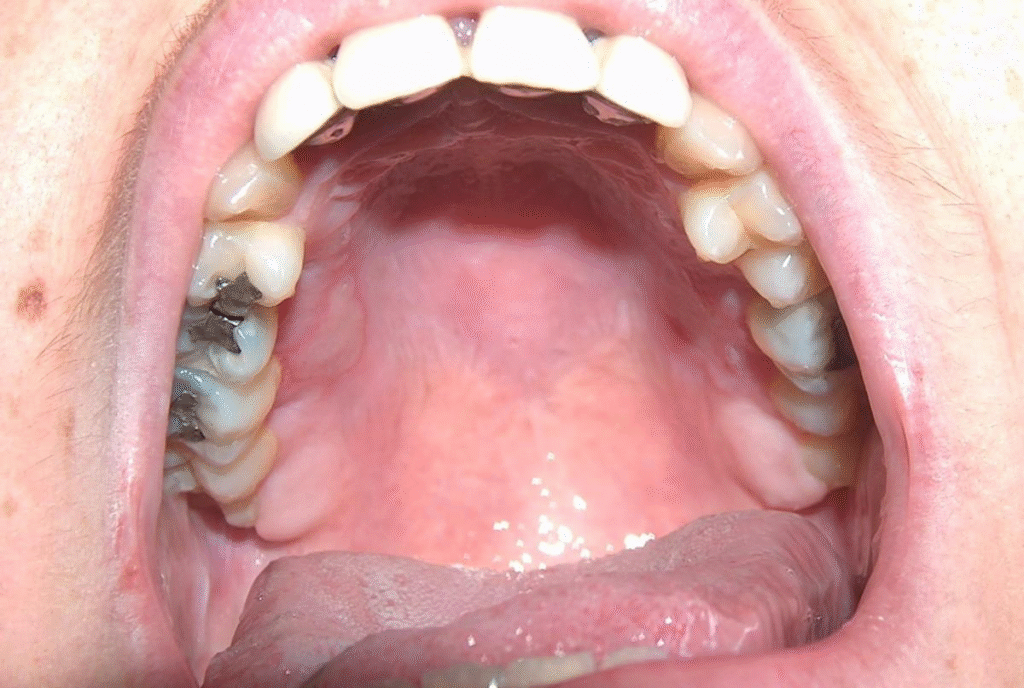
Hot foods/drinks (pizza, coffee, soup) commonly burn or irritate this sensitive tissue. Crunchy snacks or accidental biting can also cause cuts or abrasions. The sore often feels raw and painful for a few days.
2. Irritation of the Incisive Papilla
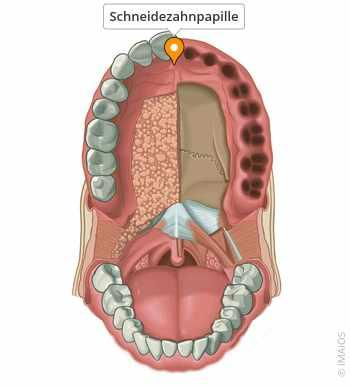
The incisive papilla can become swollen, red, or sore due to:
- Repeated trauma from a deep bite (lower teeth hitting the area).
- Food debris or aggressive flossing/brushing.
- Dry mouth or hormonal changes.
3. Mouth Sores (Canker Sores or Cold Sores)
- Canker sores (aphthous ulcers): Small, painful white/yellow craters with red borders. Triggered by stress, acidic foods, or minor injury. Not contagious.
- Cold sores (fever blisters): Caused by herpes simplex virus. Appear as fluid-filled blisters that crust over. Contagious.
4. Dental Issues
- Gum disease (gingivitis/periodontitis): Plaque buildup leads to inflamed, sore gums that can extend to the palate.
- Abscess or infection: Bacteria from cavities or cracks cause swelling and pain.
- Malocclusion: Misaligned bite causing chronic rubbing.
5. Other Causes
- Sinus infections (referred pain/pressure).
- Oral thrush (fungal overgrowth, white patches).
- Allergies, dehydration, or ill-fitting dental appliances.
- Rarely: Cysts (e.g., nasopalatine duct cyst) or, in persistent cases, more serious concerns like oral cancer.
Common Symptoms
- Localized tenderness, redness, or swelling behind upper front teeth.
- Sharp pain when eating, drinking, or touching the area.
- Burning or raw sensation.
- White/yellow spot, blister, or bump.
- Difficulty closing mouth or speaking if severely swollen.
If the sore lasts more than 1–2 weeks, grows, bleeds, or is accompanied by numbness, fever, or lumps, consult a professional immediately.
Home Remedies for Relief
Most minor sores heal within 7–14 days with self-care:
- Saltwater rinses — Mix 1 tsp salt in warm water; swish gently several times daily to reduce inflammation.
- Over-the-counter gels — Benzocaine or hydrogen peroxide-based products for numbing/pain relief.
- Avoid irritants — Skip spicy, acidic, hot, or rough foods. Drink cool liquids.
- Soft diet — Opt for yogurt, mashed foods, or smoothies.
- Good hygiene — Brush gently with a soft toothbrush; floss carefully.
- Ice or cold compress — For swelling (externally on the lip area if needed).
For suspected canker sores, avoid triggers like citrus or stress.
Important: These are temporary measures. Persistent soreness needs evaluation.
Professional Treatments
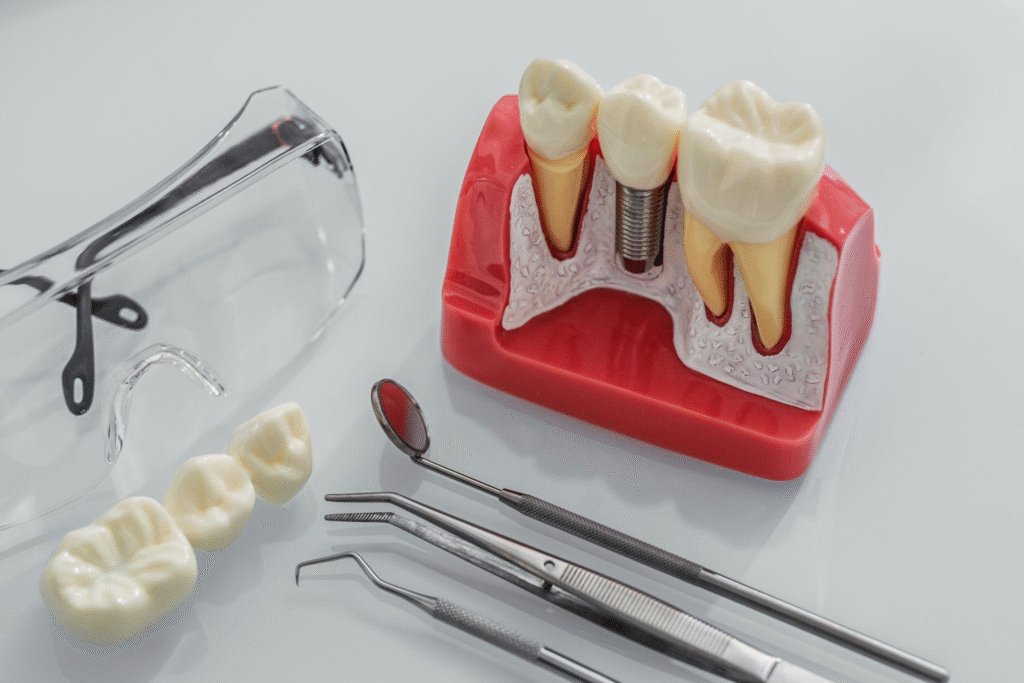
See a dentist or doctor if the sore doesn’t improve:
- Examination and cleaning — To remove plaque or treat gum disease.
- Medications — Antiviral for cold sores, antifungal for thrush, or prescription gels/antibiotics for infection.
- Dental adjustments — Bite correction, smoothing teeth, or appliances for chronic trauma.
- Biopsy or imaging — For non-healing sores to rule out cysts or other issues.
- Surgical removal — For cysts or persistent papilla irritation.
Early treatment prevents complications like spreading infection.
Prevention Tips
- Cool hot foods/drinks before eating.
- Practice gentle oral hygiene.
- Manage stress and maintain a balanced diet.
- Visit your dentist regularly for cleanings and bite checks.
- Stay hydrated and address dry mouth or allergies promptly.
When to See a Dentist or Doctor
Seek care if:
- Pain is severe or lasts beyond 10–14 days.
- Sore recurs frequently.
- You notice swelling, pus, fever, or difficulty swallowing.
- There’s unexplained weight loss, lumps, or numbness.
A sore spot behind front teeth is often minor, but ignoring it can lead to bigger problems. Don’t hesitate to get a professional opinion for lasting relief and peace of mind.
This article is for informational purposes only and not a substitute for professional dental or medical advice. Consult a qualified healthcare provider for personalized diagnosis and treatment.
