

Experiencing shock-like pain in teeth can be alarming. Many describe it as a sudden electric jolt, sharp stabbing sensation, or intense zapping that strikes when eating, drinking, brushing, or even breathing cold air. This type of pain often signals an underlying dental issue and should not be ignored.
If you’re searching for relief from sudden shock sensations in your teeth, this guide covers the most common causes, symptoms, when to seek help, and proven treatment options.
What Does Shock-Like Pain in Teeth Feel Like?
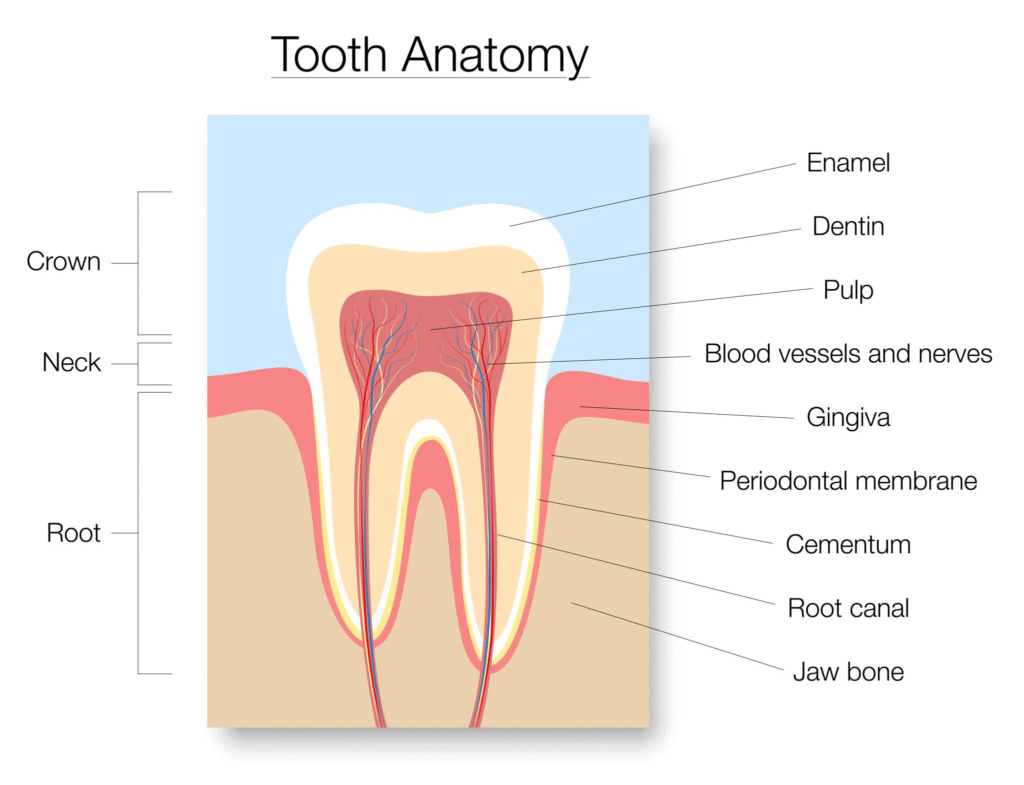
Shock-like pain in teeth is typically:
- Sudden and brief — lasting from a few seconds to a couple of minutes.
- Sharp or electric — often compared to an electric shock, stabbing, or shooting pain.
- Triggered by stimuli — cold drinks, hot foods, sweets, air, brushing, or biting down.
- Localized or radiating — usually affecting one tooth or area but sometimes feeling like it spreads to the jaw or face.
This differs from a dull, constant toothache. The intense, fleeting nature often points to nerve irritation or exposure rather than simple inflammation.
Common Causes of Shock-Like Pain in Teeth
Several dental conditions can expose or irritate the tooth nerve (pulp), leading to that characteristic electric shock feeling.
1. Tooth Sensitivity (Dentin Hypersensitivity)
Worn enamel or receding gums expose the softer dentin layer beneath. Tiny tubules in dentin connect directly to the nerve, allowing temperature changes or pressure to trigger sharp jolts.
Common triggers: Cold water, ice cream, hot coffee, sweet or acidic foods, and even brushing.
2. Gum Recession and Exposed Tooth Roots
Gum disease, aggressive brushing, or aging can cause gums to pull back, exposing sensitive roots that lack protective enamel. This often produces intense shock-like pain when teeth contact cold air or liquids.
3. Cracked or Fractured Teeth
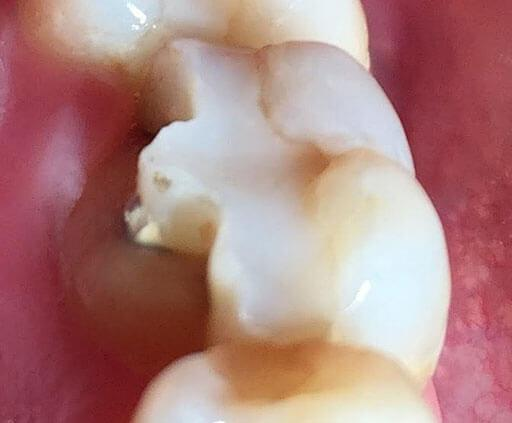
Even hairline cracks (cracked tooth syndrome) allow bacteria, temperature, or biting pressure to reach the nerve. Pain may come and go, worsening when chewing.
4. Deep Tooth Decay or Pulpitis
Cavities that reach close to or into the pulp cause inflammation (pulpitis). As decay advances, the nerve becomes highly reactive, producing sharp, shock-like pain to stimuli.
5. Damaged Fillings, Loose Crowns, or Worn Restorations
Old or leaking fillings can expose dentin or allow bacteria in, mimicking the shock sensation of a new problem.
6. Other Less Common Causes
- Teeth grinding (bruxism), which wears enamel over time.
- Recent dental work or trauma.
- Sinus infections (referred pain that feels tooth-related).
Important note: Severe, sudden shock-like facial or tooth pain can sometimes stem from trigeminal neuralgia (TN), a nerve disorder causing electric-shock episodes triggered by light touch, chewing, or talking. TN pain often mimics dental issues, so if a dentist finds no tooth problem, consult a neurologist.
Symptoms That Accompany Shock-Like Tooth Pain
Watch for these red flags:
- Pain that lingers after the trigger is removed.
- Swelling, redness, or pus around the gum.
- Sensitivity that worsens over time.
- Pain when biting or chewing.
- Fever or bad taste (possible infection).
If pain disrupts eating, sleeping, or daily life, seek professional care promptly.
Home Remedies for Temporary Relief from Shock-Like Pain
While waiting for a dental appointment, these steps can help manage symptoms:
- Use desensitizing toothpaste (containing potassium nitrate or stannous fluoride) — brush gently twice daily.
- Rinse with warm salt water to reduce inflammation.
- Avoid triggers: Extremely hot/cold, sweet, or acidic foods and drinks.
- Take over-the-counter pain relievers like ibuprofen or acetaminophen (follow dosage instructions).
- Brush with a soft-bristled toothbrush and avoid aggressive scrubbing.
- Use a fluoride mouthwash to strengthen enamel.
These are temporary only — they do not fix the underlying cause.
Professional Treatments for Shock-Like Pain in Teeth
A dentist will examine the tooth, possibly take X-rays, and recommend treatment based on the cause:
- Fluoride varnish or gel — for mild sensitivity to strengthen enamel.
- Dental fillings or bonding — to cover exposed dentin or repair cracks.
- Crowns — for larger cracks or weakened teeth.
- Root canal therapy — if the nerve is irreversibly inflamed or infected. This removes the damaged pulp and relieves pain while saving the tooth.
- Gum treatments — for recession or periodontal disease (e.g., grafting or deep cleaning).
- Desensitizing agents or sealants — applied in-office for exposed roots.
For trigeminal neuralgia-like symptoms without dental findings, medication or specialist referral may be needed.
Early treatment often prevents the need for more invasive procedures and stops the pain from returning.
Prevention Tips to Avoid Shock-Like Pain in Teeth
- Maintain excellent oral hygiene: Brush twice daily, floss once, and visit your dentist every 6 months.
- Use a soft toothbrush and avoid abrasive whitening toothpastes if sensitivity is an issue.
- Wear a nightguard if you grind your teeth.
- Limit acidic and sugary foods/drinks; rinse with water after consuming them.
- Address gum health early to prevent recession.
When to See a Dentist for Shock-Like Tooth Pain
Contact a dentist immediately if:
- Pain is severe or frequent.
- You notice swelling, fever, or difficulty opening your mouth.
- Over-the-counter remedies provide no relief.
- Pain follows recent injury or dental work.
Untreated issues can lead to abscesses, tooth loss, or spread of infection. Don’t wait — prompt care brings faster, longer-lasting relief.
Shock-like pain in teeth is your body’s way of signaling a problem. Whether it’s simple sensitivity or something requiring a root canal, professional evaluation is the smartest step toward comfort and a healthy smile.
Schedule a dental check-up today if you’re dealing with this discomfort. Most cases respond well to treatment when addressed early.
This article is for informational purposes only and does not replace professional medical or dental advice. Always consult a qualified dentist or healthcare provider for diagnosis and treatment.
