

Acne is one of the most common skin concerns, and it can be a major source of frustration. Breakouts are often painful, unsightly, and sometimes even embarrassing. But even after the pimples heal, they can leave behind marks and scars—tiny reminders of the skin battles you’ve faced. The good news is that acne marks and scars can be managed and reduced with the right approach. In this guide, we’ll discuss why acne scars form, how to prevent them, and the most effective treatments to achieve smooth, glowing skin.
Why Do Acne Scars Form?
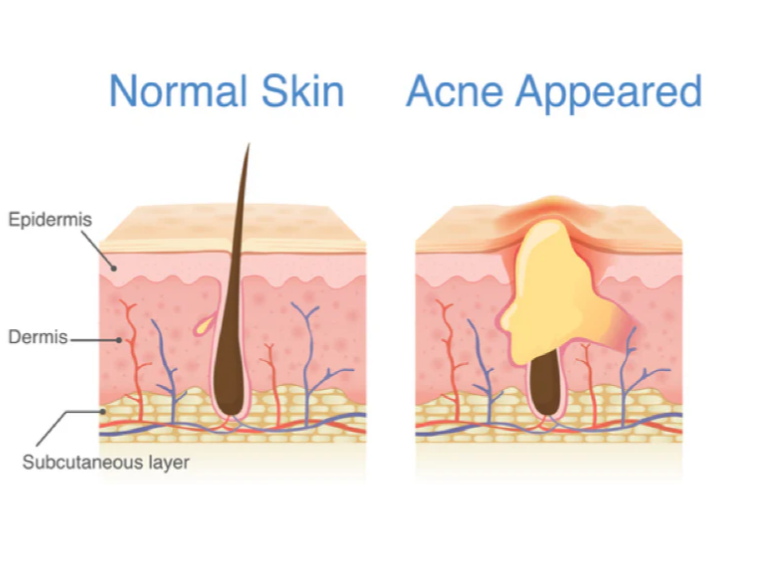
Acne scars are the result of your skin’s healing process being disrupted. When your skin experiences inflammation from acne, it naturally tries to repair itself. However, excessive inflammation, infections, or improper care can damage the deeper layers of the skin, leading to permanent marks.
Acne-Prone Skin and Inflammation
Acne-prone skin tends to overproduce sebum, the natural oil that keeps skin hydrated and protects it from environmental aggressors. In acne-prone individuals, sebaceous glands produce excess sebum that is thicker and stickier than normal. This clogs pores, traps impurities, and creates the perfect environment for bacterial growth and inflammation.
Even small pimples can trigger intense inflammatory responses. The skin reacts by sending blood and white blood cells to fight infection and repair damage. This response can leave behind red or brown marks, depending on skin tone.
- On lighter skin tones: Red marks (post-inflammatory erythema) are common.
- On darker skin tones: Increased melanin production can lead to brown spots, called post-inflammatory hyperpigmentation (PIH).
Without proper care, these marks can persist for months or even years.
Acne Scars vs. Acne Marks
It’s important to distinguish between acne marks and acne scars:
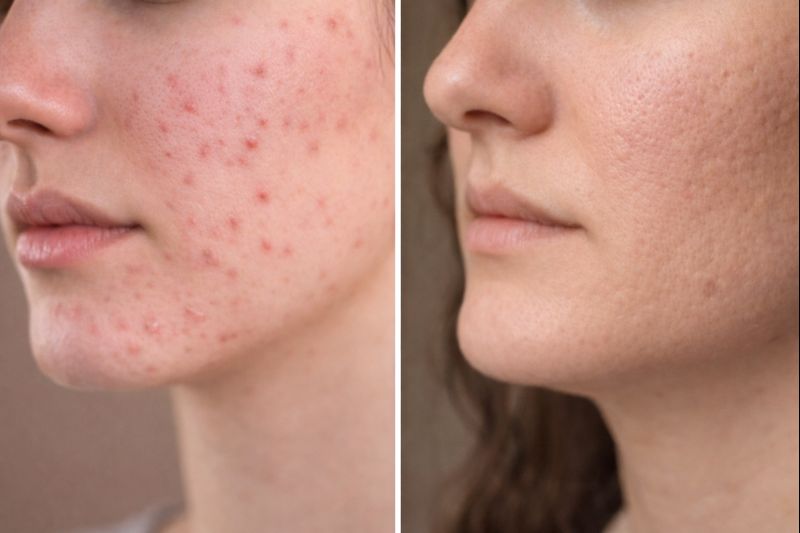
- Acne marks: Temporary discoloration that fades over time. Sun protection and skincare can speed up healing.
- Acne scars: Permanent changes in skin texture, such as atrophic (depressed), hypertrophic (raised), or keloid scars. These occur when inflammation damages collagen and elastin in the skin.
How to Prevent Acne Scars
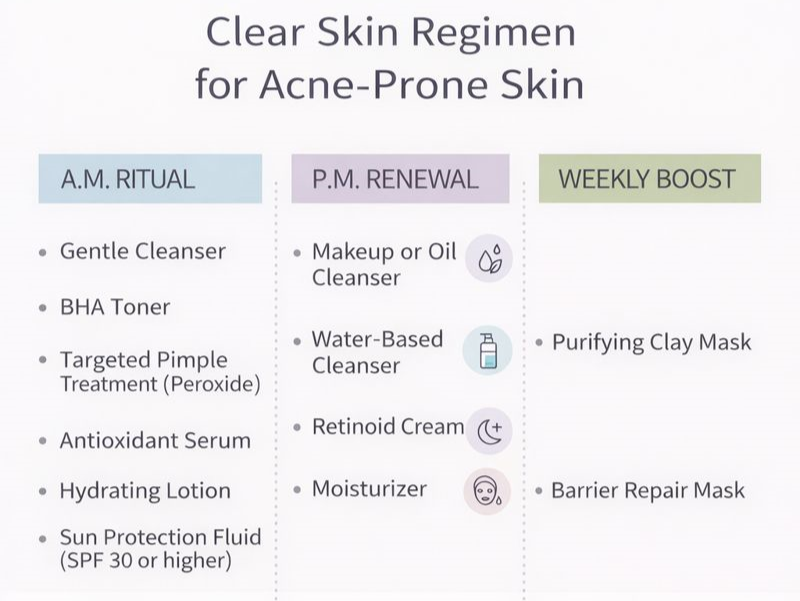
Preventing acne scars is always better than trying to treat them later. Treatments like laser therapy, chemical peels, or microdermabrasion can be costly and time-consuming. Here’s how you can reduce the risk of scarring right from the start.
1. Treat Acne Effectively
Consulting a dermatologist is essential if you have moderate to severe acne. A healthcare professional can recommend the right treatments, which may include:
- Topical antibiotics or retinoids
- Oral medications for severe acne
- Anti-inflammatory or sebum-regulating skincare products
Using a skincare routine designed for acne-prone skin helps reduce inflammation and prevent new breakouts, which ultimately lowers the risk of scars.
2. Use Active Ingredients Against Acne Scars
Certain ingredients can help both prevent and fade acne marks:
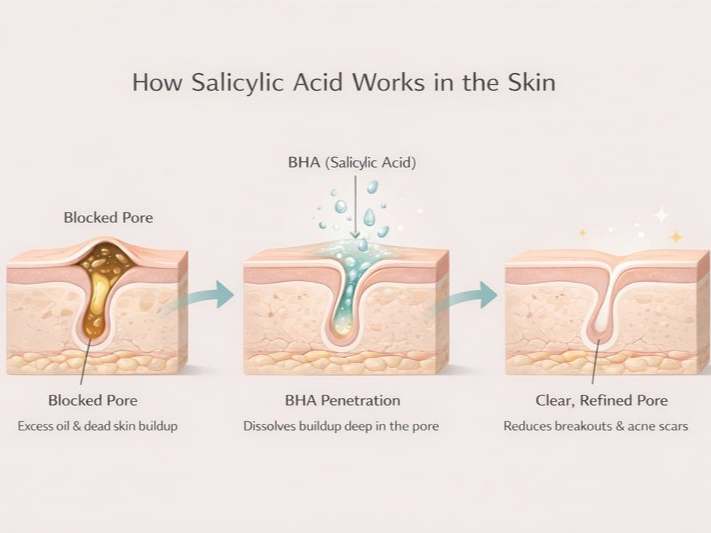
- Salicylic acid: Removes dead skin cells, unclogs pores, and promotes skin renewal.
- Azelaic acid: Reduces pigmentation and calms inflammation.
- Niacinamide (Vitamin B3): Improves skin barrier, reduces redness, and fades dark spots.
- Vitamin C derivatives: Brighten the skin and reduce hyperpigmentation.
- Retinoids: Stimulate collagen production and cell turnover.
- AHAs & BHAs: Chemical exfoliants that help fade marks and prevent clogged pores.
- Copper and zinc: Support skin repair and healing.
Avoid harsh creams or abrasive scrubs, as they can worsen inflammation and trigger more scarring. Opt for dermatologist-tested dermocosmetic products.
3. Healthy Habits to Avoid Acne Marks
Simple daily habits can go a long way in preventing acne scars:
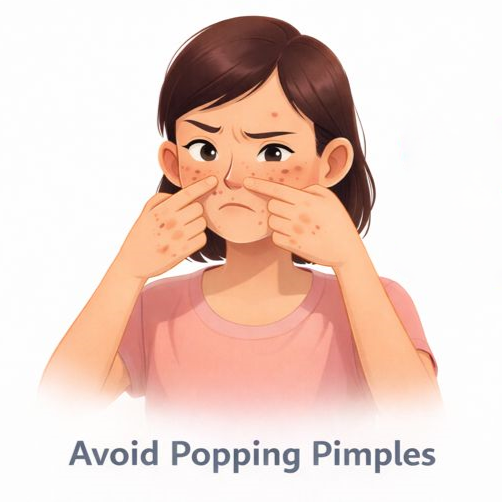
- Don’t pick, squeeze, or scratch pimples: This spreads bacteria and worsens inflammation.
- Use gentle cleansers: Avoid harsh soaps and abrasive exfoliants.
- Hydrate your skin: Even acne-prone skin needs moisture. Choose non-greasy, oil-free moisturizers.
- Apply sunscreen daily: UV exposure darkens marks and slows healing. Use a mattifying, non-comedogenic sunscreen.
If you accidentally pop a pimple, immediately cleanse the area with an antiseptic and apply an anti-mark cream. Overnight treatments that support skin regeneration can help prevent lasting marks.
How to Fade Existing Acne Marks
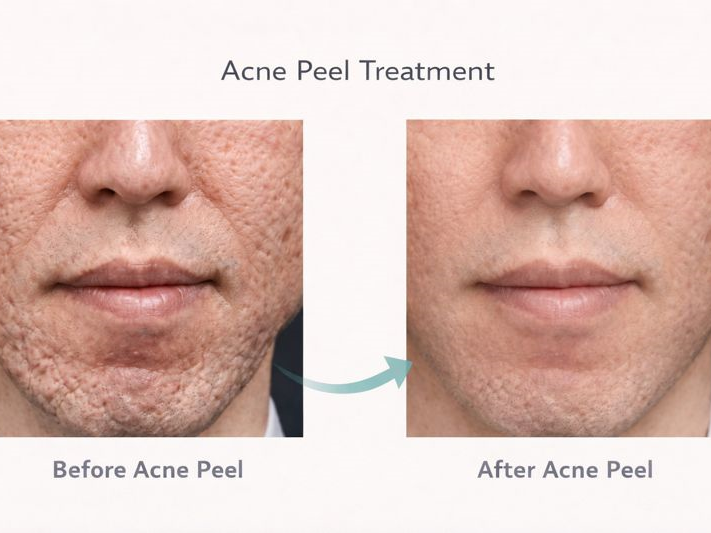
If you have post-acne marks, consistent care can significantly improve your skin’s appearance:
- Moisturize daily: Use creams designed for skin repair to restore hydration and elasticity.
- Exfoliate gently once a week: Boosts cell turnover and helps fade pigmentation.
- Protect from sun exposure: Sunscreens prevent marks from darkening further.
For more stubborn hyperpigmentation, treatments may include:
- Chemical peels: Use mild acids to remove damaged skin layers.
- Laser therapy: Targets deeper pigmentation and stimulates collagen.
- Microneedling: Promotes skin regeneration and reduces scars.
- Hyaluronic acid injections: Fill in depressed scars for smoother skin.
While complete removal of deep scars without medical intervention is difficult, consistent care can improve texture and tone over time.
Treating Old Acne Scars
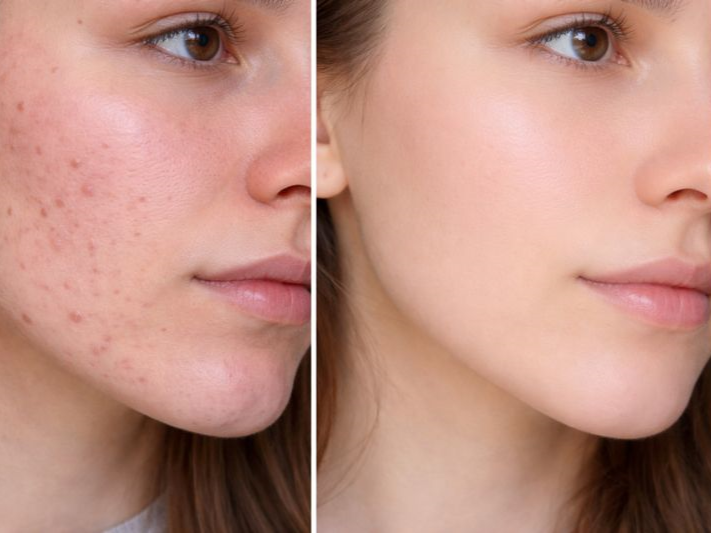
Old acne scars are challenging because the skin has been permanently altered. However, several options can help:
- Dermabrasion: Removes the outer layer of skin to stimulate regeneration. Sun exposure should be avoided for at least two months after the procedure.
- Laser resurfacing: Reduces scar depth and promotes collagen production.
- Microneedling and fillers: Improve skin texture and volume.
A qualified cosmetic dermatologist can assess your skin type and recommend the best approach for long-term improvement.
Lifestyle Tips for Healthy Skin
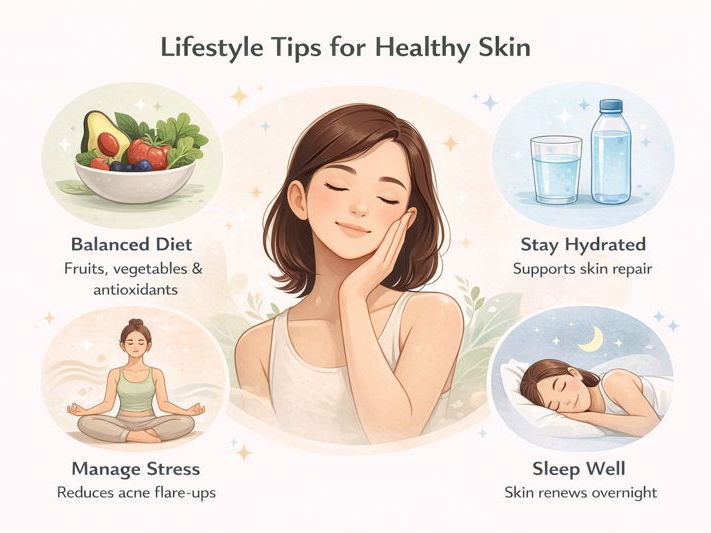
Besides targeted treatments, lifestyle habits play a critical role in preventing acne scars and marks:
- Balanced diet: Include fruits, vegetables, and foods rich in antioxidants.
- Stay hydrated: Adequate water intake improves skin repair.
- Manage stress: Stress can trigger acne breakouts. Practice yoga, meditation, or other relaxation techniques.
- Sleep well: Skin repairs itself during deep sleep cycles.
Key Takeaways
- Acne scars form due to excessive inflammation and damage to skin collagen.
- Post-inflammatory hyperpigmentation (PIH) is common in darker skin tones.
- Prevention is better than cure: treat acne early and avoid picking at pimples.
- Use active ingredients like salicylic acid, niacinamide, and retinoids to fade marks.
- Daily sunscreen and gentle skincare are essential for scar prevention.
- Professional treatments like laser therapy, dermabrasion, and microneedling are options for stubborn scars.
By addressing acne at the root cause and adopting a consistent skincare routine, you can prevent marks, fade existing scars, and achieve healthier, smoother skin.
