

Mouth ulcers are a very common oral concern among people of all ages. These painful sores form on the soft tissues of the mouth and can make basic activities like eating, speaking, and drinking extremely uncomfortable. While most mouth ulcers heal within 7–14 days, mouth ulcers that won’t heal or return frequently can be a warning sign of deeper health issues.
In this detailed guide, we will explain:
- What mouth ulcers (canker sores) are
- Why some mouth ulcers don’t heal
- Risk factors and symptoms
- Best treatments and home remedies
- Prevention tips
- When to consult a doctor
Whether you experience them occasionally or suffer from chronic mouth ulcers, this article will help you understand how to manage and prevent them effectively.
What Are Mouth Ulcers?
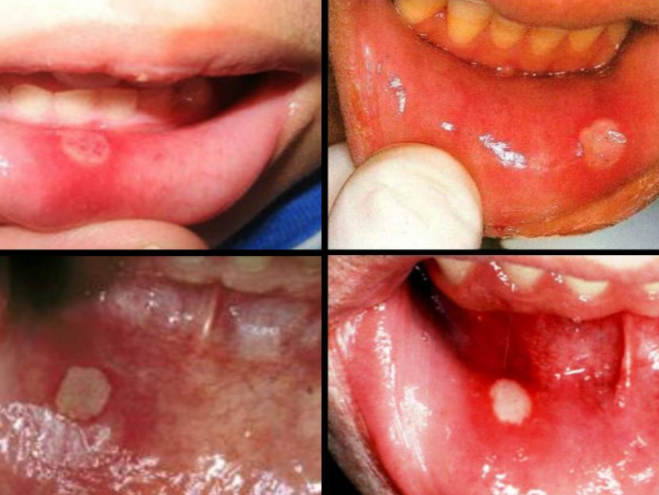
Mouth ulcers — also known as canker sores or aphthous ulcers — are shallow, painful lesions that develop inside the mouth. They are not contagious, unlike cold sores caused by a virus.
They are usually:
- Round or oval in shape
- White, grey, or yellow in the center
- Surrounded by a red, inflamed border
Common locations:
- Inside cheeks and lips
- Under or on the tongue
- On gums
- Soft palate (back of the mouth)
Types of Mouth Ulcers
| Type | Features | Healing Time |
| Minor ulcers | Small & shallow | 7–14 days |
| Major ulcers | Large & deep | 3–6 weeks; may scar |
| Herpetiform ulcers | Tiny clusters that merge | Very painful |
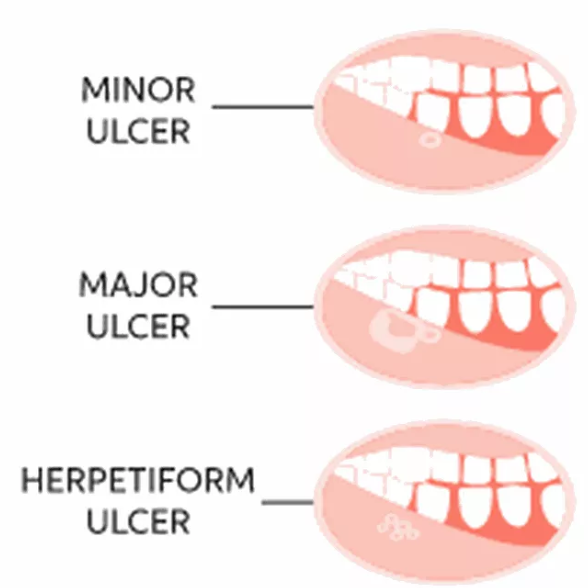
If you notice mouth ulcers that won’t heal, it may be a sign of infection, irritation, or an underlying health condition.
Causes: Why Mouth Ulcers Don’t Heal
Although many ulcers form without a clear cause, several triggers contribute:
1️⃣ Nutritional Deficiencies
Lack of the following increases risk:
- Vitamin B12
- Iron
- Zinc
- Folic acid
2️⃣ Stress & Hormonal Changes
Stress weakens immunity and triggers mouth ulcers
Women may experience outbreaks during menstrual cycles
3️⃣ Poor Oral Habits
- Biting cheek or tongue accidentally
- Hard brushing
- Wearing braces or dentures causing friction
4️⃣ Food Triggers
Acidic, salty, spicy foods such as:
- Tomatoes
- Lemon & citrus fruits
- Chips, nuts, and pickles
- Coffee & chocolates
5️⃣ Allergic or Autoimmune Conditions
- Celiac disease
- Crohn’s disease
- Ulcerative colitis
- Behçet’s disease
6️⃣ Medications
Some cancer therapies, anti-inflammatory drugs, and antibiotics may cause persistent ulcers.
If the sore lasts more than three weeks, it may indicate:
- Infection
- Immune disorder
- Oral cancer (rare but serious)
Symptoms of Mouth Ulcers
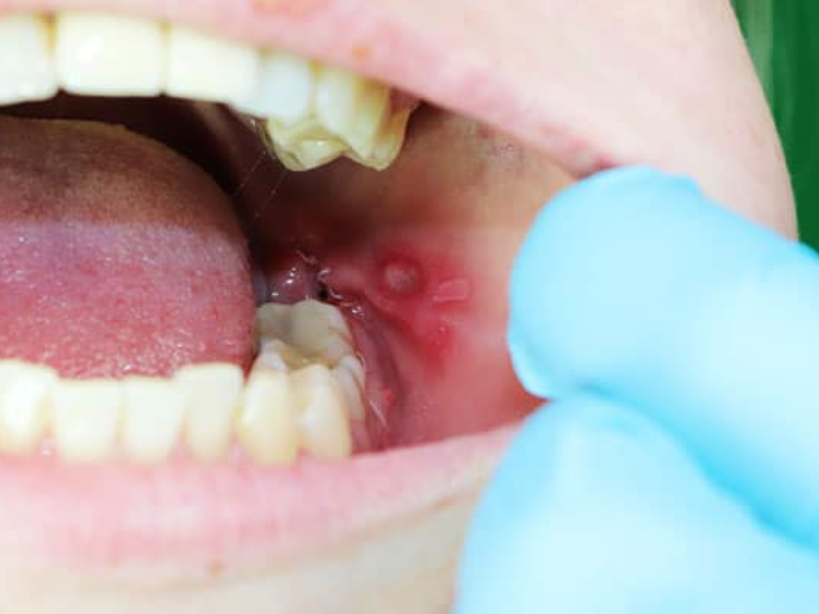
- Painful sore inside the mouth
- Tingling/burning sensation before it appears
- Discomfort while brushing, chewing or speaking
- Swollen lymph nodes (in severe cases)
- Mild fever or fatigue if caused by infection
Multiple sores appearing regularly mean recurrent mouth ulcers that need medical evaluation.
Diagnosis: How Doctors Identify Non-healing Mouth Ulcers
- Visual examination of mouth
- Blood tests to check vitamin/mineral deficiencies
- Swab test to rule out infection
- Biopsy (if the ulcer doesn’t heal after treatments)
Treatment for Mouth Ulcers That Won’t Heal
Healing depends on the cause. Treatment goal:
✔ Reduce pain
✔ Speed up healing
✔ Prevent recurrence
Medical Treatment Options
| Treatment Type | Examples | Purpose |
| Topical anesthetics | Benzocaine gels, Lidocaine | Reduce pain |
| Antiseptic mouthwashes | Chlorhexidine, Hydrogen Peroxide | Prevent infection |
| Anti-inflammatory medicines | Corticosteroid gels/ mouth rinses | Reduce swelling |
| Supplements | B12, Zinc, Iron, Folic acid | Correct deficiencies |
| Cauterization (severe cases) | Chemical/electrical procedure | Speeds healing |
Most Effective Home Remedies
| Remedy | Benefit |
| Saltwater rinse | Cleans and reduces inflammation |
| Honey | Natural healer and anti-bacterial |
| Coconut oil | Reduces irritation and infection risk |
| Aloe vera gel | Soothes and heals quickly |
| Turmeric paste | Anti-inflammatory and antiseptic |
| Yogurt/probiotics | Helps if ulcers caused by gut issues |
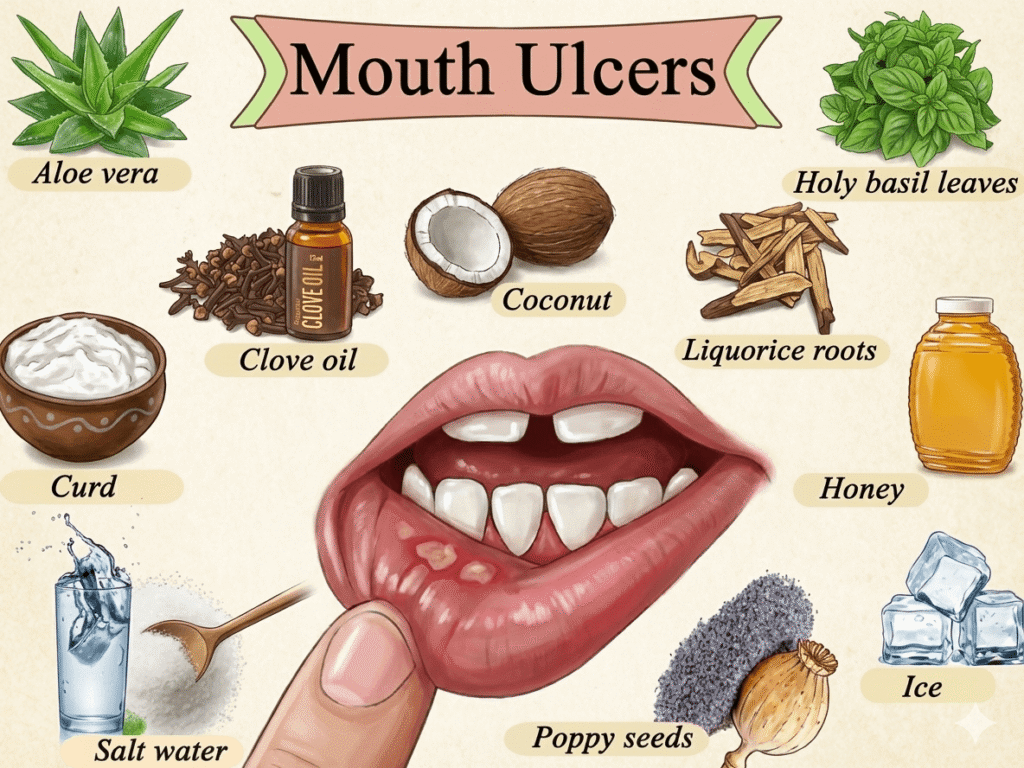
Visual examples of natural remedies for mouth ulcers
Prevention: How to Stop Mouth Ulcers from Coming Back
✔ Maintain proper oral hygiene
✔ Use a SLS-free toothpaste (Sodium Lauryl Sulfate can irritate tissues)
✔ Avoid spicy, acidic, and rough foods
✔ Manage stress — meditation, exercise, sleep
✔ Drink enough water
✔ Avoid tobacco and alcohol
✔ Replace missing teeth or loose appliances irritating the mouth
✔ Boost immunity with veggies, fruits, and whole grains
If you notice mouth ulcers that keep returning, track food and stress levels — identifying the trigger helps prevent them.
When to See a Doctor?
Visit a dentist or physician if:
- Ulcer lasts more than 2–3 weeks
- Keeps bleeding or growing larger
- Causes severe pain or difficulty eating
- Spreads rapidly or appears frequently
- Comes with high fever or weight loss
- You notice a hard patch, numbness, or non-healing red/white lesion
These may indicate infection or, rarely, precancerous change — early diagnosis is critical.
Conclusion
Mouth ulcers are common, but mouth ulcers that won’t heal require proper attention. Most cases improve with simple treatments, lifestyle changes, and oral hygiene. But if your ulcers are persistent, painful, or recurring, consult a healthcare professional to rule out any serious underlying condition.
Taking timely action ensures faster healing and prevents complications, helping you enjoy a pain-free life again!
FAQ: Mouth Ulcers That Won’t Heal
1️⃣ Are mouth ulcers dangerous if they don’t heal?
Not always — but persistent ulcers can signal infection, immune disorder, or (rarely) oral cancer. Seek medical advice.
2️⃣ Can vitamin deficiency cause non-healing mouth ulcers?
Yes. B12, iron, zinc, and folate deficiency are major triggers.
3️⃣ What foods worsen mouth ulcers?
Spicy food, pickles, nuts, chips, chocolates, and citrus fruits.
4️⃣ Do mouth ulcers spread?
They don’t spread from person to person, but irritation can cause more ulcers to form.
5️⃣ Can stress cause repeated mouth ulcers?
Yes — stress weakens immunity and leads to recurring sores.
